
Last updated November 21, 2026
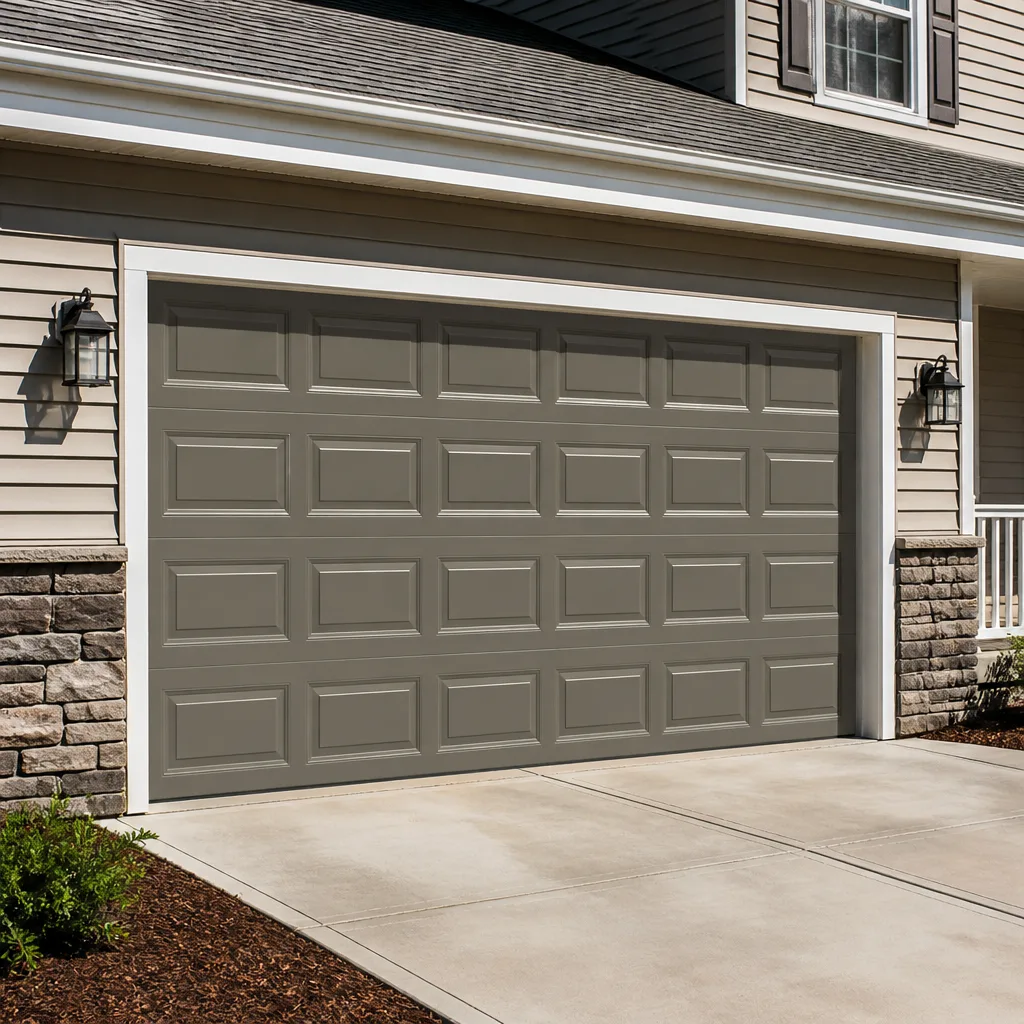 Raised-panel steel
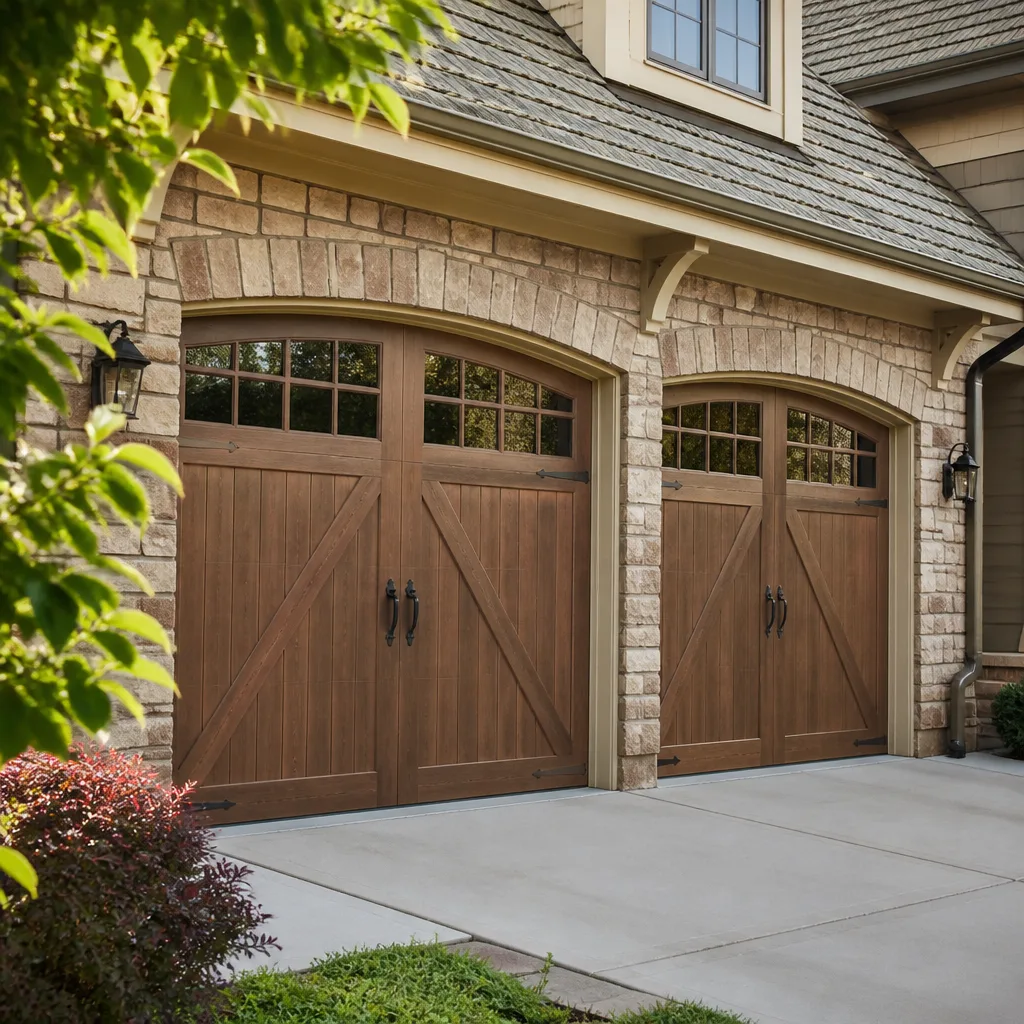 Carriage house
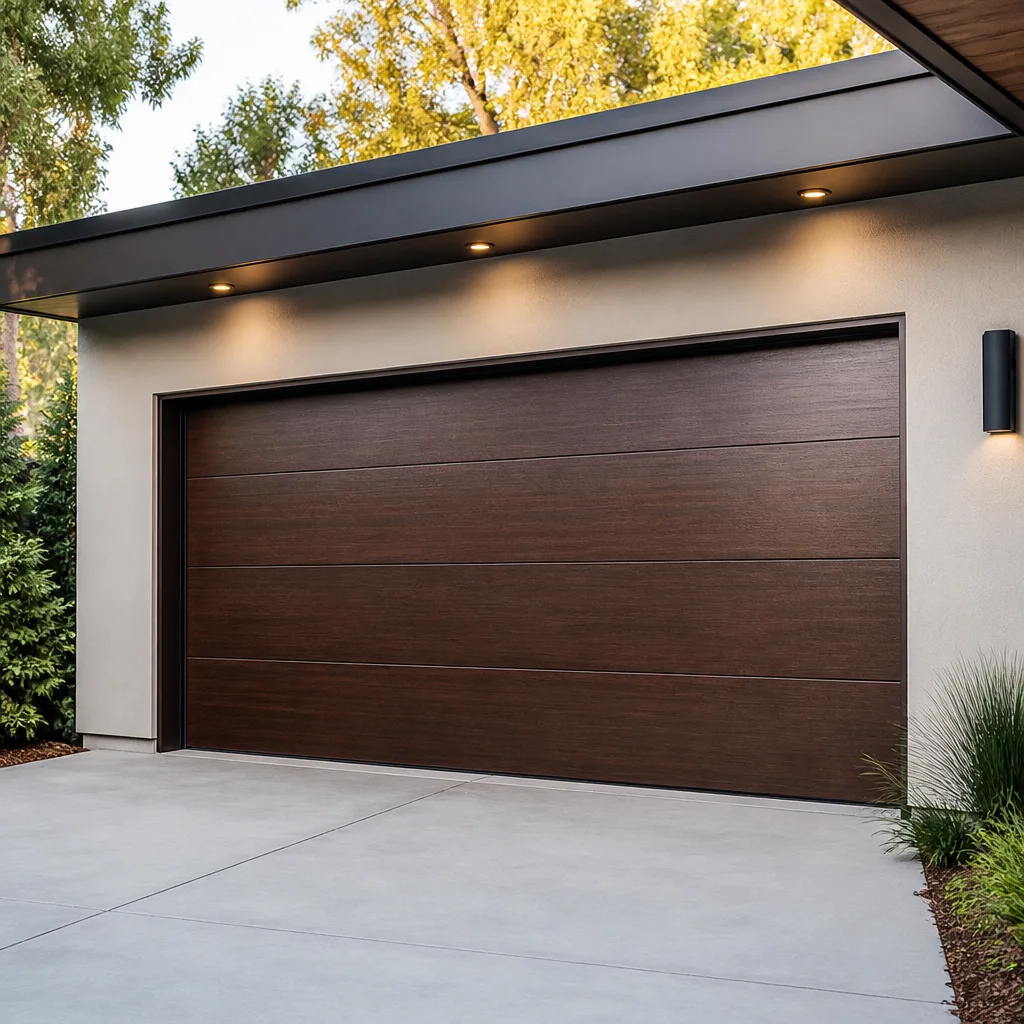 Modern flush
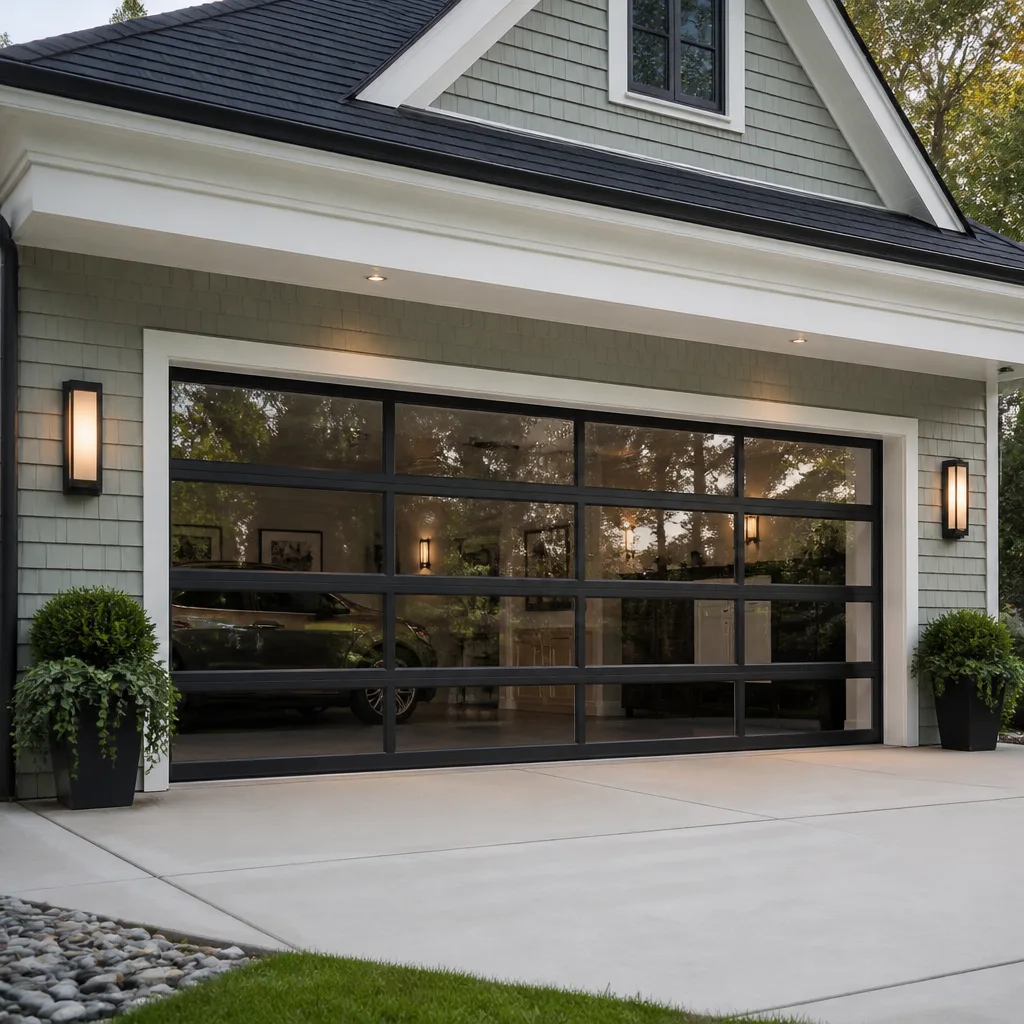 Full-view glass
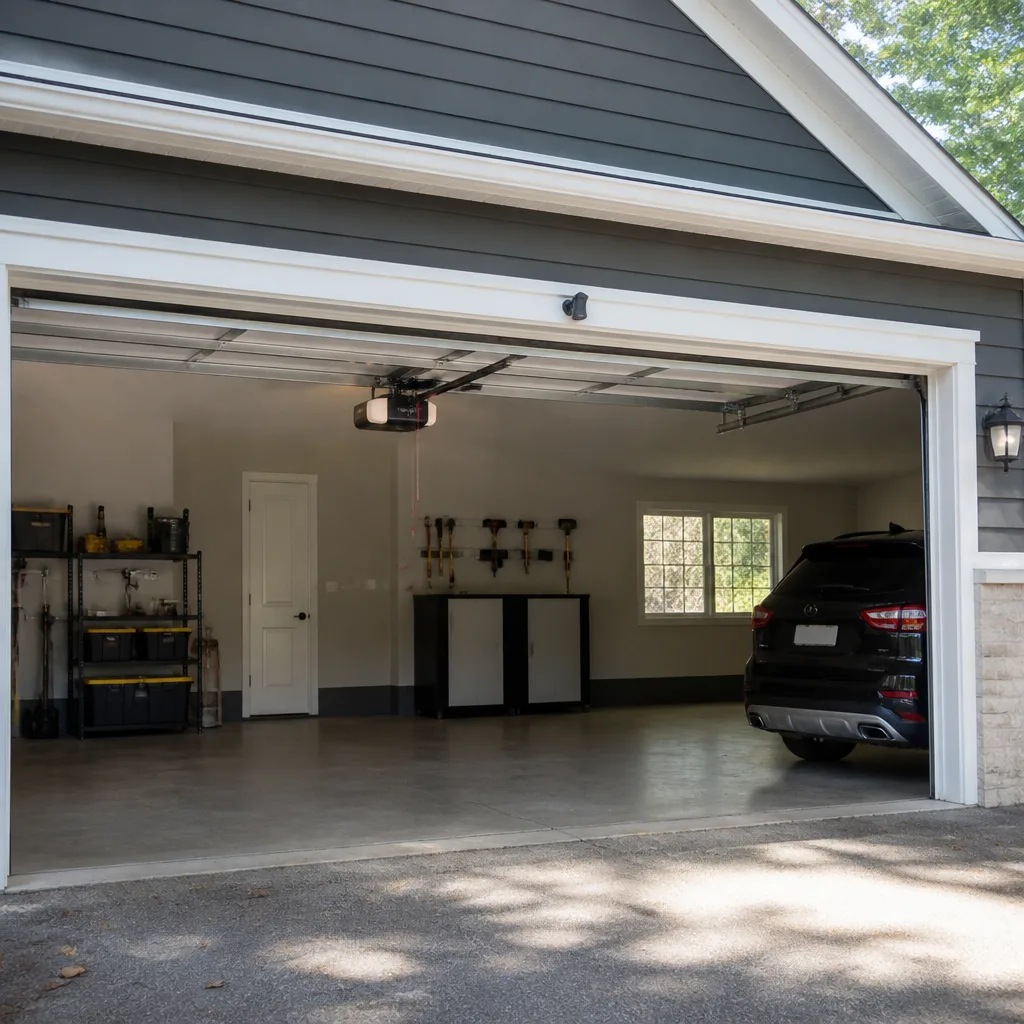 LiftMaster openers
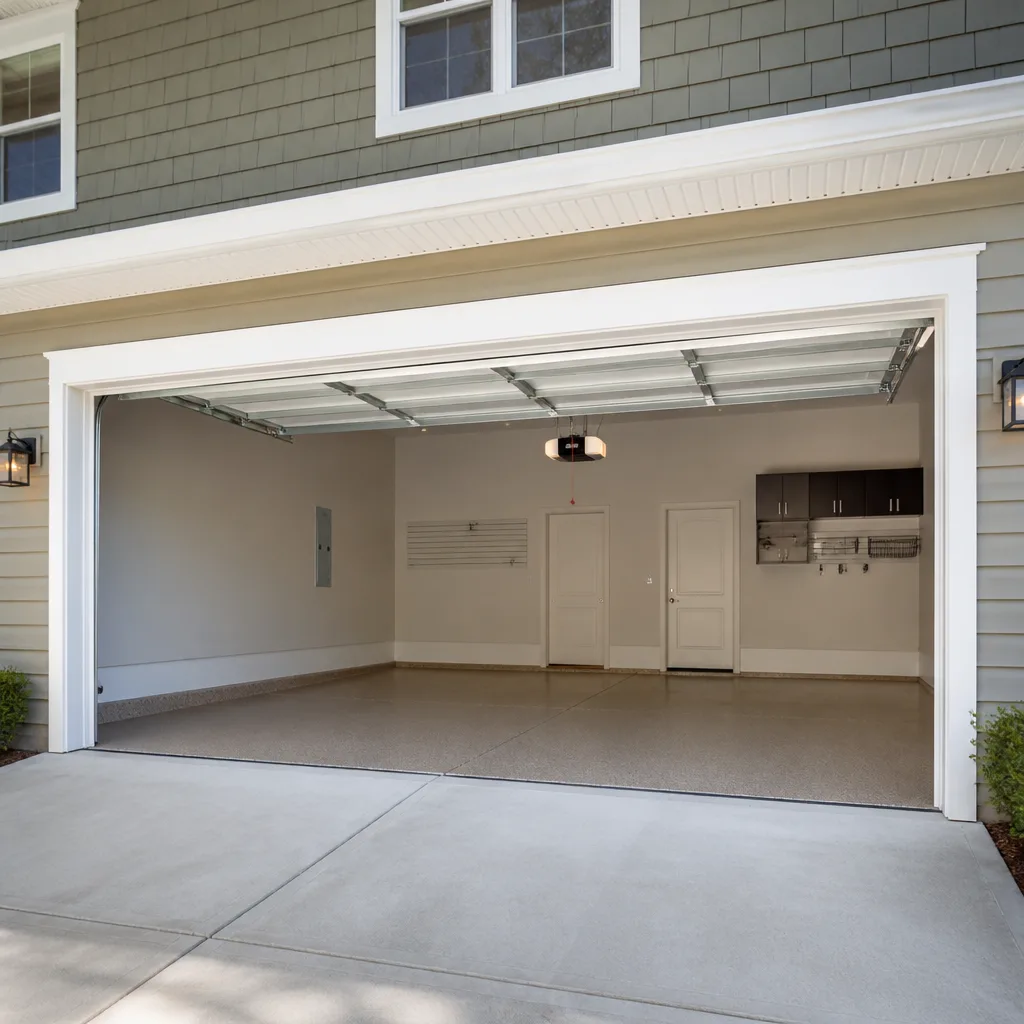 Chamberlain openers
Full 25-point door and opener safety check with every visit - springs, cables, rollers, tracks, and your LiftMaster or Chamberlain opener included
You get a price before we start. It does not change when the pro arrives.
Get your free estimateGarage Door Emergency Preparedness Guide for Torresdale Homes
When a garage door spring breaks at 6 AM on a workday with your car inside, you have roughly three options – and two of them will damage the door further or injure you. Most homeowners never think this through until they’re standing in a dark garage with a car they can’t move and a door they can’t close. A snapped spring, a dead opener, or a door hanging off its track isn’t just a hassle; it’s a safety hazard, a security gap, and a scheduling emergency all at once. This guide walks Torresdale homeowners through the playbook: how to open the door safely, how to secure it, what to tell the dispatcher, and what to check after the repair is done.
Quick Answer
If your garage door fails in Torresdale, don’t force it. Pull the emergency release cord only when the door is fully closed and you can lift it by hand without strain, then secure the opening and call for professional repair. For a broken spring, a door stuck halfway, or a cable under tension, the safest move is to leave the door alone and call (855) 691-5232. We answer 24/7, and fast dispatch from 7am to 7pm gets a trained technician to your Torresdale home to diagnose and fix the failure.
Styles & brands we work with
- Raised-panel steel
- Carriage house
- Modern flush
- Full-view glass
- LiftMaster openers
- Chamberlain openers
Table of Contents
- Why Preparedness Matters in Torresdale
- How to Use the Emergency Release Cord Safely
- Frozen Doors and Torresdale Winters
- What to Do When the Door Is Stuck Halfway
- What to Have Ready Before You Call
- What a Technician Should Inspect After the Failure
- Preventive Checks for Torresdale Homes
Why Preparedness Matters in Torresdale
Torresdale sits in the far northeast of Philadelphia along the Delaware River, and the housing stock here tells you a lot about the garage doors you’ll find. Many homes in neighborhoods like Academy Gardens, Ashton Woods, and Pennypack Woods were built in the post-war decades, and a good number still have their original or second-generation doors and openers. That matters because older systems fail differently than new ones. A tired torsion spring, a worn opener gear, or a bent track on a heavy wood door all behave in ways that reward a homeowner who knows what to expect.
The local weather is a factor too. Torresdale gets real winters – stretches of freezing nights, occasional nor’easters that drop heavy wet snow, and the freeze-thaw cycle that loosens seals and stiffens lubricant. A door that opens fine in October can bind and groan by January. And because so many Torresdale homes have attached garages that serve as the primary entry point, a failed door isn’t just an inconvenience; it cuts off the main route in and out of the house.
Nearly every emergency we’re called to falls into one of a few categories:
- Broken torsion or extension spring – the door becomes too heavy to lift safely by hand
- Dead or damaged opener – the motor runs but the door doesn’t move, or nothing happens at all
- Door off track – a roller pops out, the door jams, or the panel bends
- Broken cable – often paired with a spring failure, and dangerous if it’s whipping loose
- Frozen bottom seal – the door is stuck to the floor after a cold night
- Stuck halfway open – the most common security concern, especially overnight
Preparedness is the difference between a problem you handle in ten calm minutes and one that damages the door, the opener, or your car. The rest of this guide is the playbook we’d walk any Torresdale homeowner through. If you’re already facing a failure right now, skip ahead – the garage door repair page covers what happens when we arrive.
How to Use the Emergency Release Cord Safely
The emergency release cord is the red handle hanging from the opener trolley, and it’s the single most misunderstood piece of hardware on a garage door. In the right situation it lets you disconnect the door from the opener and open it by hand. In the wrong situation it can drop the door hard enough to break panels or injure someone standing underneath.
Here’s how to approach it, in order:
- Stand clear of the door’s path. Don’t stand under or directly in front of the door when you pull the cord – the door may drop or swing unexpectedly.
- Check the door’s weight by hand first, if it’s fully closed. With the door down, lift it a few inches at the bottom. If it’s heavy, spring tension is gone and you should not raise it.
- Pull the cord only when the door is fully down and its weight feels manageable. The trolley releases and the door is now on manual operation.
- Lift slowly, and only lift what you can control. A door with a broken spring can weigh far more than a person can safely manage – don’t fight it.
- When closing by hand, lower it firmly and completely. A door on manual operation won’t have the opener’s soft-close, so it can slam.
The critical rule most homeowners miss: do not pull the release cord if the door is partially open. A door stuck halfway has weight bearing on the springs, cables, and panels in a way that can send it crashing down the moment the opener disconnects. That’s one of the situations where the right call is to leave the door exactly as it is and phone a technician.
Our technicians have up to 9 years of experience working with the release mechanisms on Genie, LiftMaster, Chamberlain, and every major opener brand, so we can tell you over the phone whether pulling the cord is safe for your specific setup. It’s one reason we offer garage door opener repair as a same-day service – a disconnected or jammed trolley is often fixable in a single visit.
Frozen Doors and Torresdale Winters
A frozen garage door is one of the most common winter calls in Torresdale, and one of the easiest to make worse. The bottom seal bonds to the concrete or asphalt over a cold night, especially if the slab is wet from melting snow or rain that froze. When the opener pulls against that bond, the bottom panel flexes, the seal tears, or the opener’s gear strips out trying to break free.
To free a frozen door without damaging it:
- Turn the opener off before you try anything. Pull the release cord only if the door is fully closed and its weight feels manageable, then switch the opener off at the wall.
- Break the bond gently along the bottom. A plastic scraper or a soft mallet tapped along the base of the seal works far better than yanking the door.
- Warm the seal if it’s stubborn. A hair dryer on a low setting along the floor line softens the rubber enough to release.
- Clear snow and ice from the threshold before you open the door. A ridge of packed snow under the door bends the bottom panel on the way up.
- Lubricate the seal once it’s free. A silicone-based spray on the rubber is a routine winter habit in Torresdale homes.
What not to do: don’t pour hot water on the seal (it refreezes and can crack the rubber), don’t pry the door with a shovel, and never put a car’s weight behind it. If the opener has already been straining against the freeze, the gear inside the motor may be damaged – and that’s a repair, not a reset. The Garage Door Repair Torresdale page goes into the opener symptoms we see most often after a hard cold snap.
What to Do When the Door Is Stuck Halfway
A door stuck halfway is the worst of both worlds: the house isn’t sealed, and the door’s weight is resting on structure that wasn’t designed to hold it there. The instinct is to force it the rest of the way up or down. Resist it – that’s how panels bend, cables snap, and people get hurt.
Here’s how to handle it safely:
- Leave the door in place. Do not pull the release cord, do not force the door up or down, and do not hit the operator again to “see if it moves.”
- Secure the opening temporarily. If the door is high enough to walk under, block the gap from the inside with a couple of sturdy items – a folding table turned on end, a pair of saw horses, or a line of heavy boxes. The goal is keeping pets and children out of the path, not building a fortress.
- Photograph the door and its tracks. A quick photo of the door’s position, the spring, and any visible cable damage helps the technician arrive with the right parts.
- Keep the door clear. Don’t stack anything against the panels – a door under partial tension can shift and press against whatever’s near it.
- Call for emergency service. A door stuck halfway is either a spring, a cable, or a track problem, and all three are professional-only repairs. A technician can secure the door properly on the first visit.
If the door is stuck partially open overnight and you can’t get anyone out right away, treat it like an open door on your house: a car parked in front of the opening, an interior light on, or a temporary panel across the gap all work. We dispatch Sunday through Friday from 7am to 7pm, so an evening problem is usually on a technician’s route the same day or the next morning.
What to Have Ready Before You Call
The single biggest driver of a fast repair is what you can tell the dispatcher in the first two minutes. A technician who knows your door brand, opener model, and failure symptom arrives with the right parts and tools the first time. A vague call means a second trip – and a longer wait.
Before you dial, gather:
- Door brand and material. Look for a sticker or logo on the inside of the door or on the opener housing. Clopay, Amarr, Wayne Dalton, and the other major brands each have their own parts, and knowing yours saves guesswork.
- Opener model. The model is on the head unit or the back of the motor housing. LiftMaster, Chamberlain, Genie, and Craftsman systems all have different torque settings and rail designs.
- What’s happening and when. “Won’t open at all,” “opens a few inches and stops,” “door goes down but won’t come back up,” or “loud bang then nothing” – each points to a different failure. A loud bang followed by a heavy door is almost always a spring.
- Door size and style. A single-car vs. two-car door, sectional vs. one-piece, and whether it has windows.
- Your address and access notes. Whether the garage is attached or detached, and whether the door faces the street or an alley.
- Any injury or vehicle blockage. If a car is trapped inside or the door is a hazard to anyone in the household, say so on the call – it changes the dispatch priority.
That’s the whole list. It takes about three minutes to gather, and in our experience it’s the difference between a same-day fix and a call-back. If you’re not sure where to find the brand sticker, take a photo of the inside of the door and text it to us when we confirm the appointment.
What a Technician Should Inspect After the Failure
Here’s the part most homeowners skip: the failed part is rarely the only thing under stress. A broken spring is a symptom of wear, but a snapped cable, a bent track, or a fatigued roller often fail within weeks of the original repair if they aren’t caught at the same time. A good technician looks beyond the failed component – not to sell extra work, but because a second failure on a door you just paid to fix is the worst outcome for everyone.
After any emergency repair, we check these systems:
- The second spring – torsion springs are usually installed as a matched pair, and when one breaks, its partner is usually at the same stage of wear
- Cables and drums – for fraying, kinks, or slack where the cable meets the drum
- Rollers and hinges – for flat spots, cracks, and worn bearings that load the door unevenly
- Track alignment – for bends, dings, or out-of-plumb sections from the failure
- Bottom seal and weatherstripping – always suspect after a winter freeze failure
- Opener force settings and safety reversal – for correct travel limits and the auto-reverse test
- Balance test – with the opener disconnected, the door should hold its position at the halfway point; if it drifts, the spring tension is off
This matters especially in Torresdale’s older homes, where a garage door may go decades without a tune-up. When one component fails, the rest of the system is usually just as tired. If your door’s due for a full replacement rather than a repair, the garage door installation page walks through the options we work with.
Preventive Checks for Torresdale Homes
The best emergency is one you never have. A handful of checks a few times a year will catch most failures before they strand your car.
- Test the balance. With the opener off, lift the door halfway by hand and let go. A balanced door stays put. A door that drops or rises is losing spring tension.
- Listen to the door. A grinding, squealing, or popping noise is early warning. So is a door that operates more slowly than it used to.
- Lubricate the moving parts. A silicone-based lubricant on the springs, hinges, and rollers a couple of times a year keeps the door moving quietly and reduces wear.
- Look at the springs. Torsion springs above the door and extension springs on the sides should show no rust, gaps, or sagging. A spring with a visible gap is a spring that has already broken.
- Test the safety reverse. Lay a 2×4 flat under the door and close it. The door should reverse on contact with the board.
- Inspect the seal before and after winter. A torn bottom seal lets in moisture, which refreezes and worsens next winter’s freeze.
- Keep the tracks clean. Wipe the tracks with a damp cloth, don’t grease them, and don’t lean anything against them.
If a check turns up something you’re not sure about, call us. A quick consultation is free, and catching a failing spring on a Tuesday is far cheaper than fixing a bent door and a broken opener on a Friday night.
Common Mistakes to Avoid
- Pulling the release cord on a door that’s partially open. The weight of a half-open door is held by springs and cables, and releasing the trolley can send it crashing down. Only release a door that’s fully closed and light enough to lift.
- Forcing a frozen door with the opener. The motor can strip its gear trying to break the seal, turning a five-minute thaw into an opener replacement. Always break the ice manually first.
- Treating a broken spring like a hard door. A garage door with a failed spring weighs far more than one person can safely lift, and lifting it can snap a cable or drop the door on your car. Call for service instead.
- Standing under a stuck door to “hold it up.” A door stuck halfway can fall without warning. Keep everyone clear and secure the opening from a distance.
- Patching the bottom of a door with a bent panel. A panel that’s already flexing is one step from a jammed track. Fix the cause, not the symptom.
- Ignoring the second spring. A matched pair usually fails within weeks of each other. Fixing only the broken spring is a repeat visit waiting to happen.
- Calling without the brand or model ready. A dispatcher without a make or model can’t be sure the right parts arrive. Clopay and Amarr panels and Wayne Dalton openers can need different parts than a generic setup.
See the difference
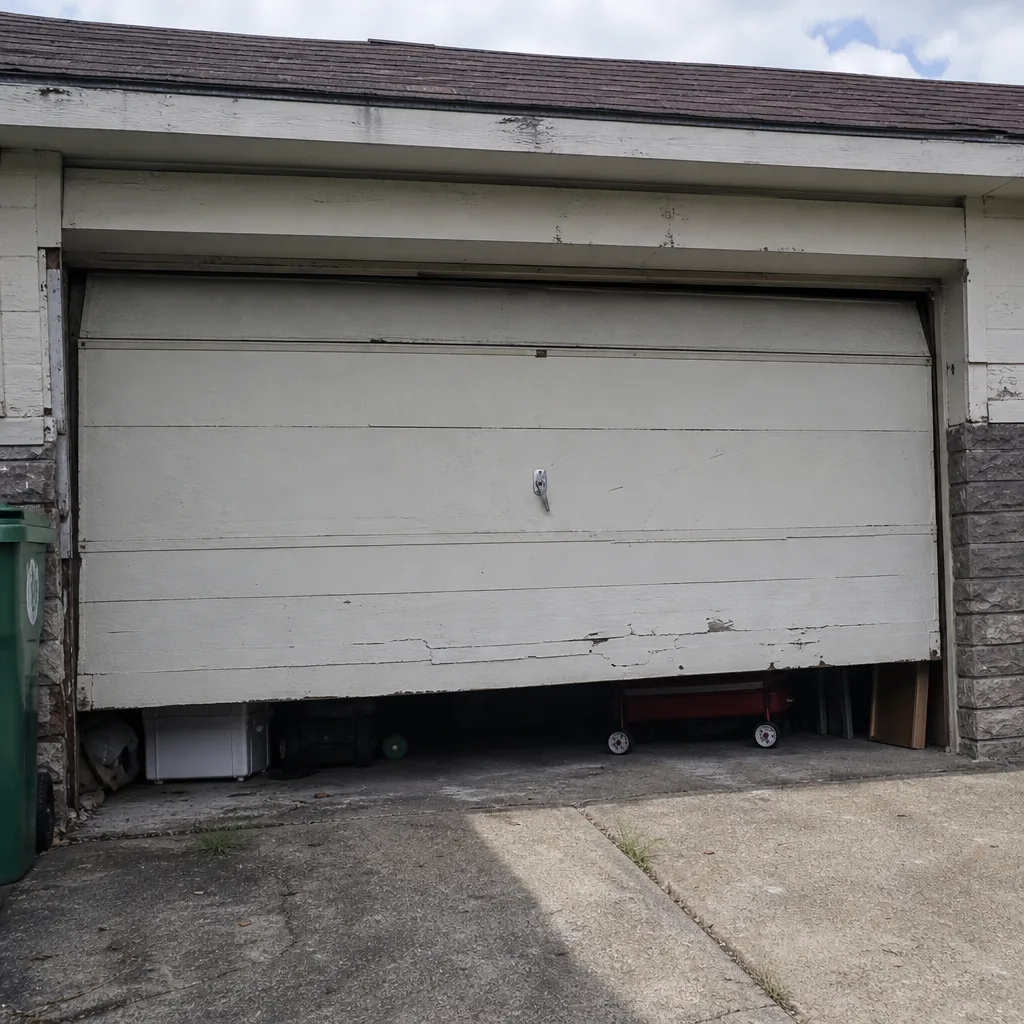 Before
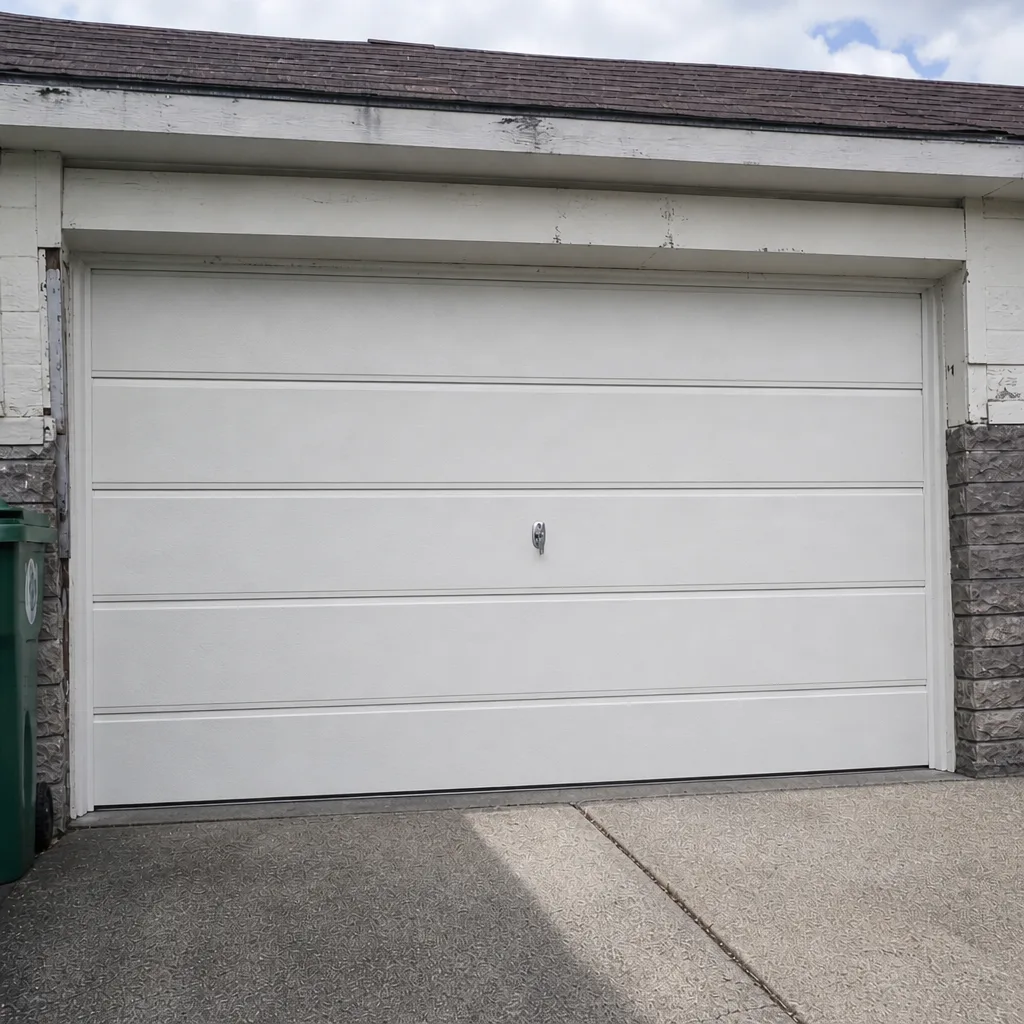 After
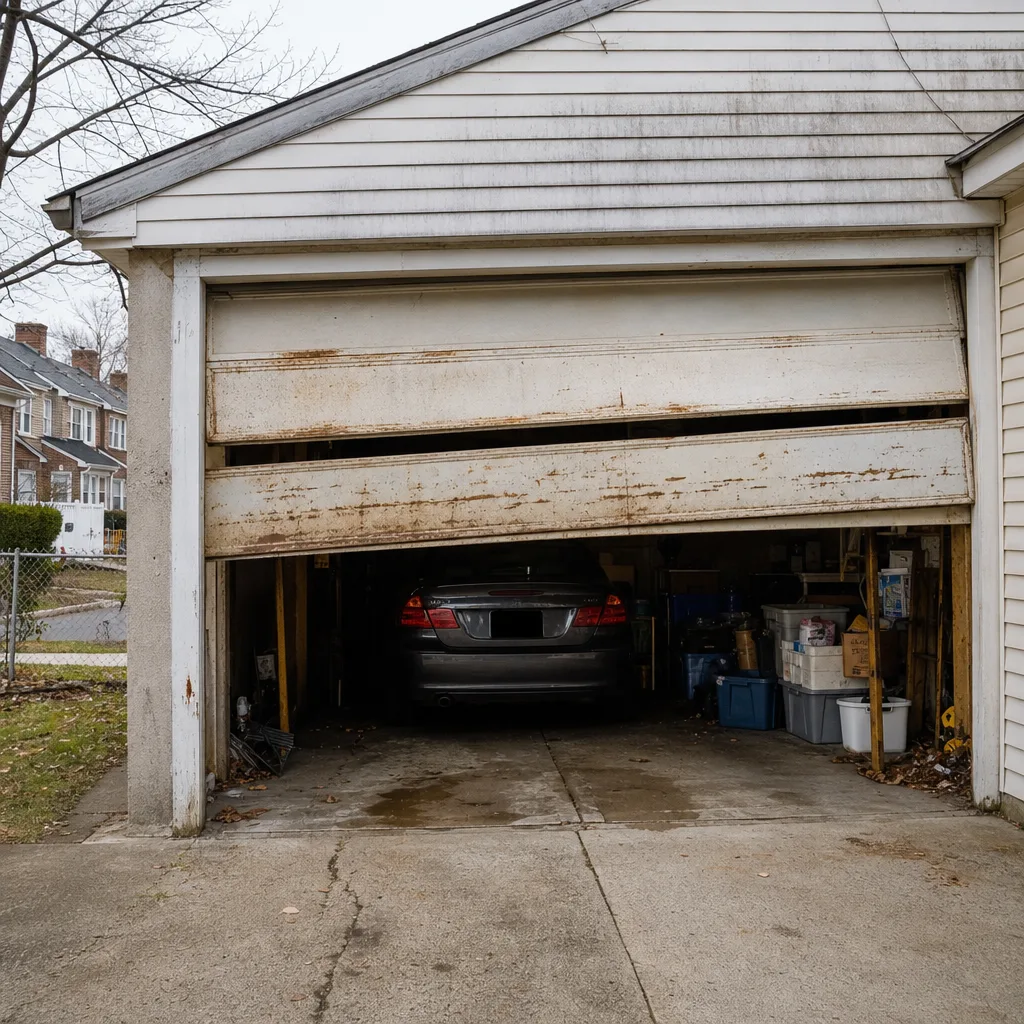 Before
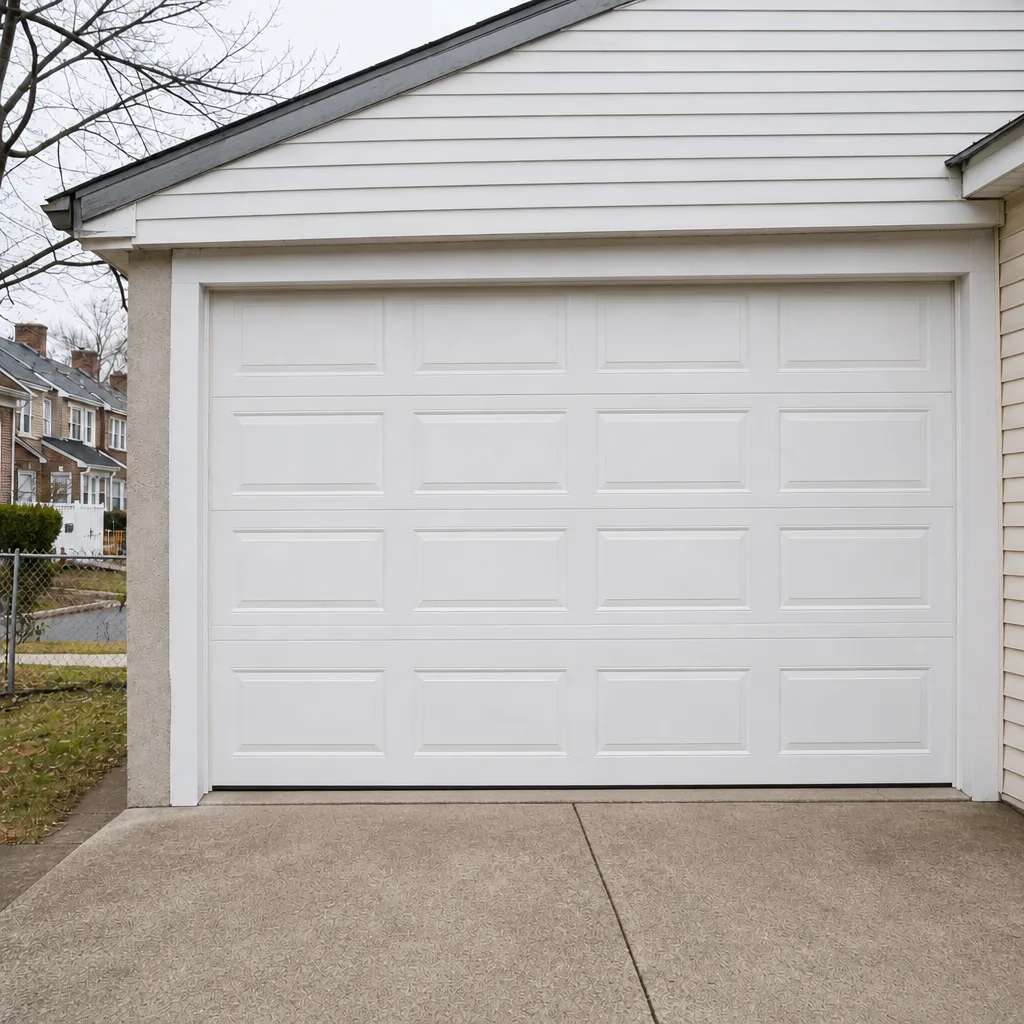 After
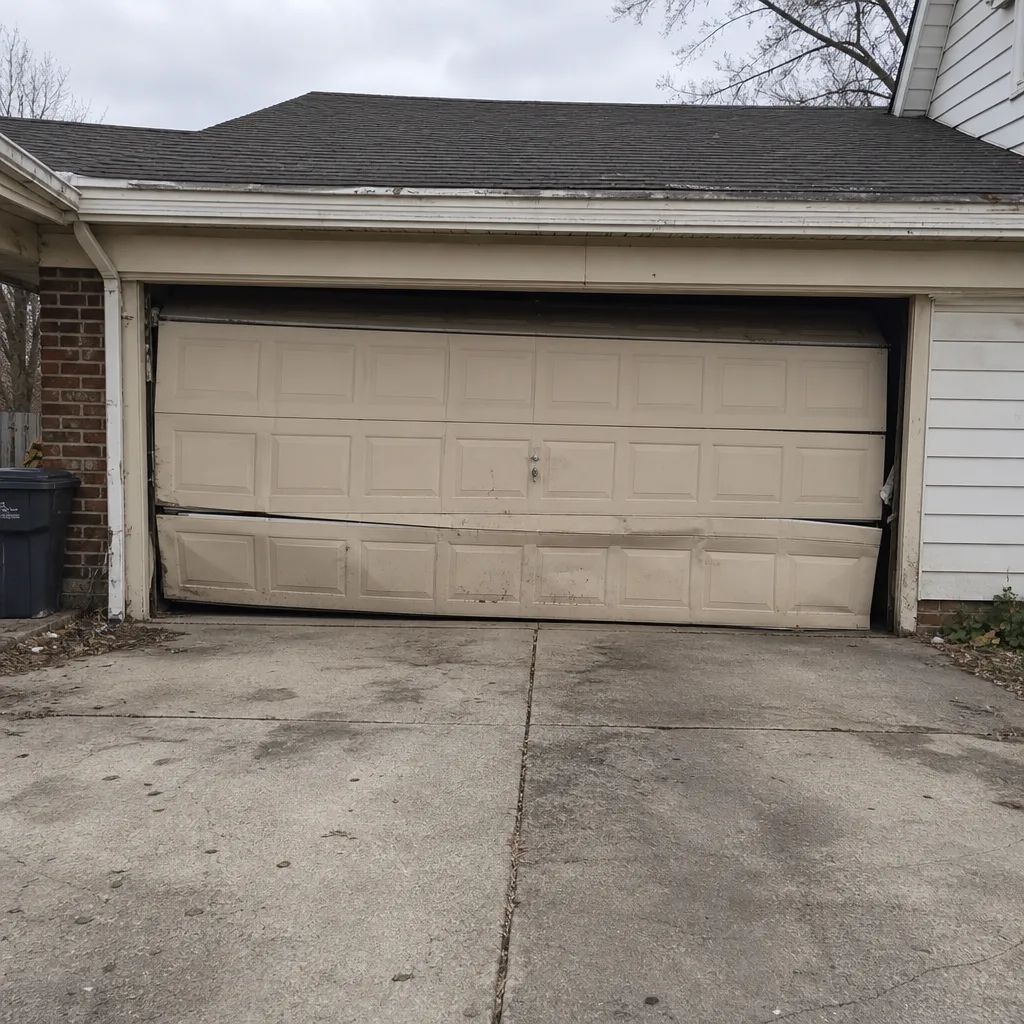 Before
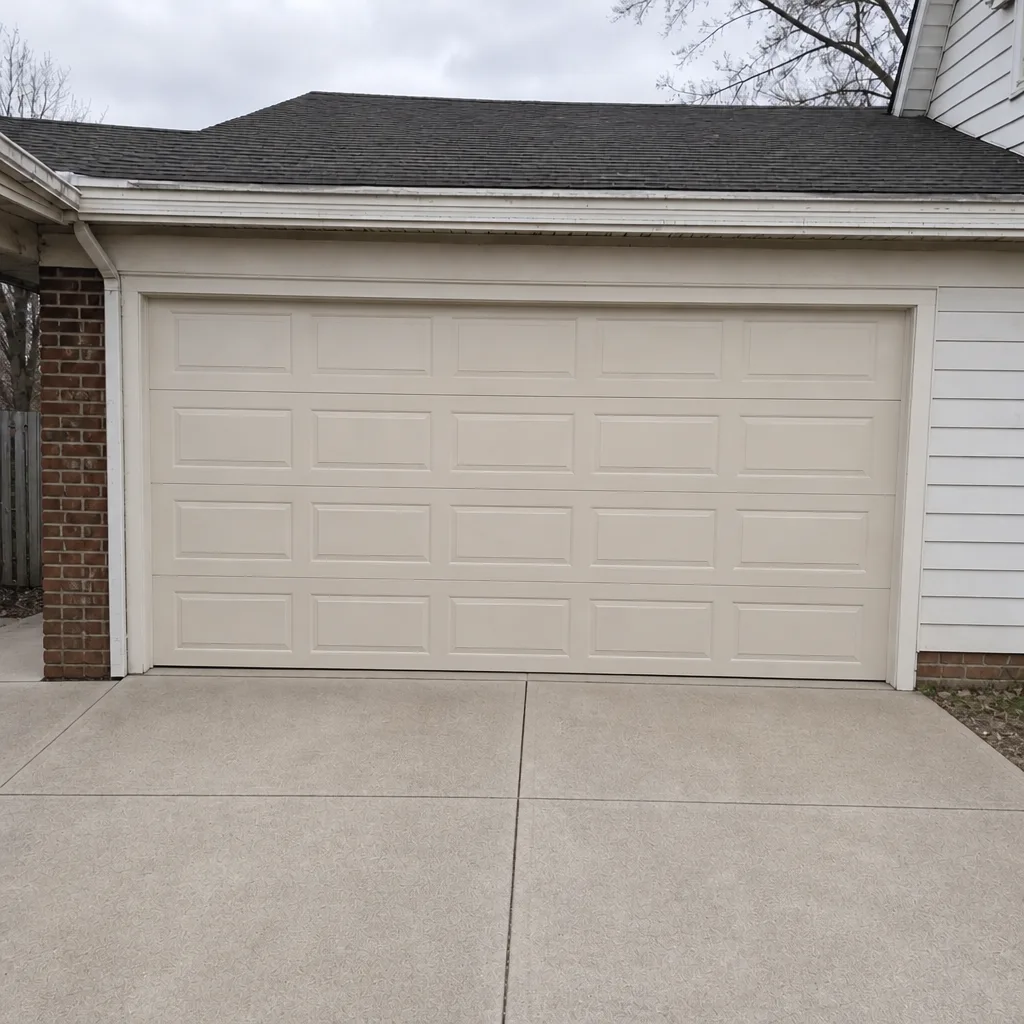 After
When to Call a Professional
Some garage door problems really are do-it-yourself jobs – a loose bolt, a squeak, a track that needs a wipe-down. But the failures that matter most are professional-only. Call a technician for:
- A broken torsion or extension spring (high-tension work – never a DIY repair)
- A snapped or slack cable (dangerous and often paired with a spring failure)
- A door off its track or stuck halfway
- A door that won’t open at all, especially with a car trapped inside
- A frozen door the opener is still fighting
- An opener that runs, hums, or clicks but won’t move the door
- Any time you’re unsure whether a manual release is safe
Springs, cables, and openers under load are genuinely dangerous, and a trained technician has the tools and training to work on them safely. If your door is stuck, call us. Garage Door Repair Torresdale offers free estimates in Torresdale – call (855) 691-5232. We answer 24/7, with fast dispatch from 7am to 7pm, Sunday through Friday. Our technicians have up to 9 years of experience and are trained to work on LiftMaster, Chamberlain, Genie, Clopay, Amarr, Wayne Dalton, Craftsman, and Raynor systems – so we already know your equipment before we arrive.
Frequently Asked Questions
Most emergency garage door repairs in Torresdale are quoted per job after a technician inspects the door, and the written estimate sets the final price. Spring replacement, cable repair, opener repair, and track realignment each vary based on your door’s size, brand, and the parts required. Call (855) 691-5232 for an exact quote – estimates are free.
Yes, a door stuck open is one of the failures we dispatch for same-day. Call (855) 691-5232 and have your door brand, opener model, and the door’s position ready. We answer 24/7, and a call outside dispatch hours is booked into the next opening, Sunday through Friday, 7am to 7pm.
Only if the door is fully closed and you can lift it by hand without strain – otherwise leave it alone. A broken spring removes the counterbalance, and the door can weigh far more than a person can safely manage. When in doubt, don’t pull the cord. Call (855) 691-5232 and a technician will walk you through the safest option.
No – forcing a frozen door with the opener can strip the motor’s gear and damage the bottom panel. Break the bond at the seal manually with a plastic scraper or a soft mallet first, clear any packed snow from the threshold, and only then open the door. If the opener has already strained against the ice, call us for a check.
In almost every case, yes. Our technicians are trained on LiftMaster, Chamberlain, Genie, Clopay, Amarr, Wayne Dalton, Craftsman, and Raynor systems – eight of the most widely installed brands. If you’re not sure what you have, the model sticker on the opener housing or the inside of the door usually tells you. Call (855) 691-5232 and we can confirm before we schedule.
The local professional we connect you with is licensed and insured as their state requires. Our technicians have up to 9 years of experience with garage door repair, spring replacement, and opener service. Call (855) 691-5232 for a free estimate.
The Bottom Line
A garage door emergency is predictable. Almost every real failure in Torresdale is a spring, a cable, a track, or an opener – and each has one safe response. Don’t force a stuck door. Don’t pull the release cord on a partially open door. Don’t fight a frozen seal with the opener. Secure the opening, gather your door’s brand and model, and call a technician. Keep the door’s balance, springs, and seal check on your radar a few times a year, and most emergencies never happen. When one does, the fastest fix starts with knowing what to do before you need to. We answer 24/7 and offer free estimates across Torresdale, with fast dispatch from 7am to 7pm, Sunday through Friday.
From a snapped spring to a full new door, one call covers it: garage door repair in Torresdale at (855) 691-5232. Or browse our installation options if you’re weighing a replacement.
Written by the team at Garage Door Repair Torresdale.