
Last updated November 21, 2026
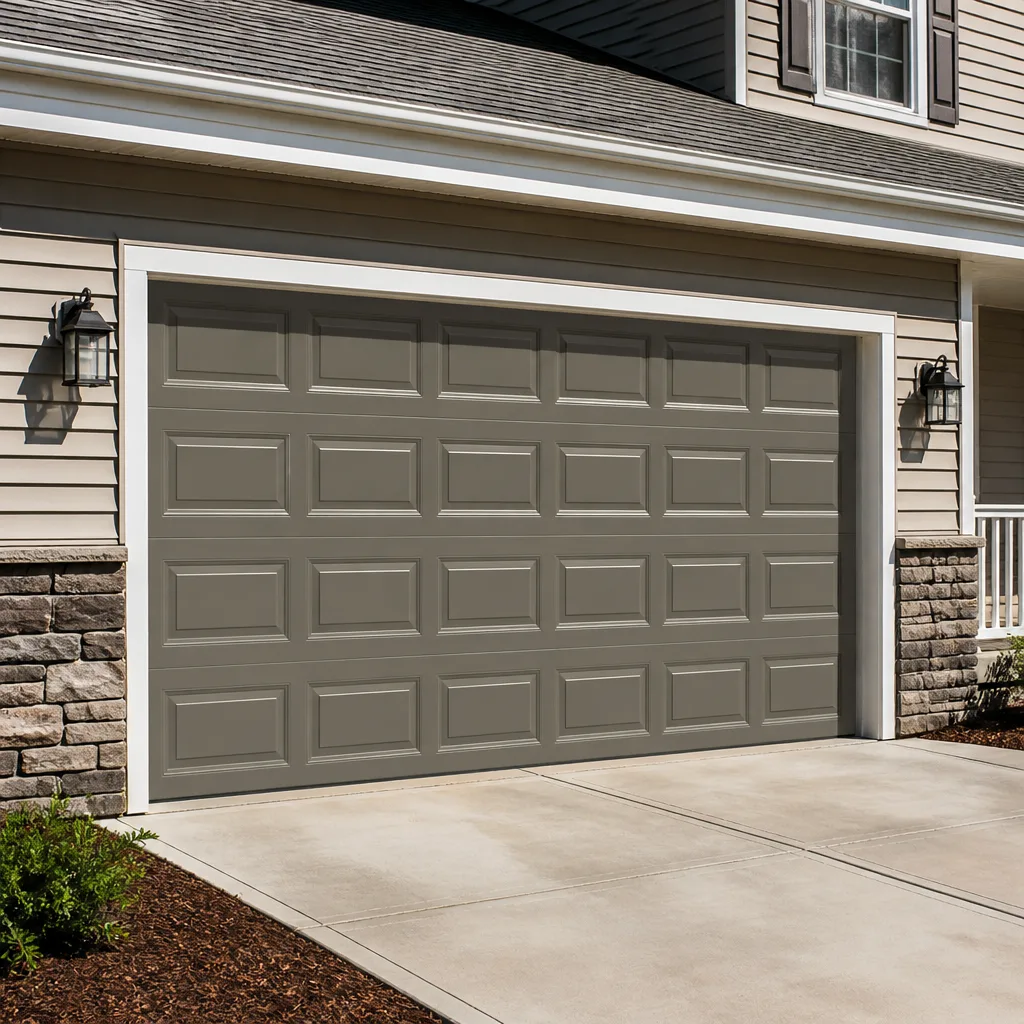 Raised-panel steel
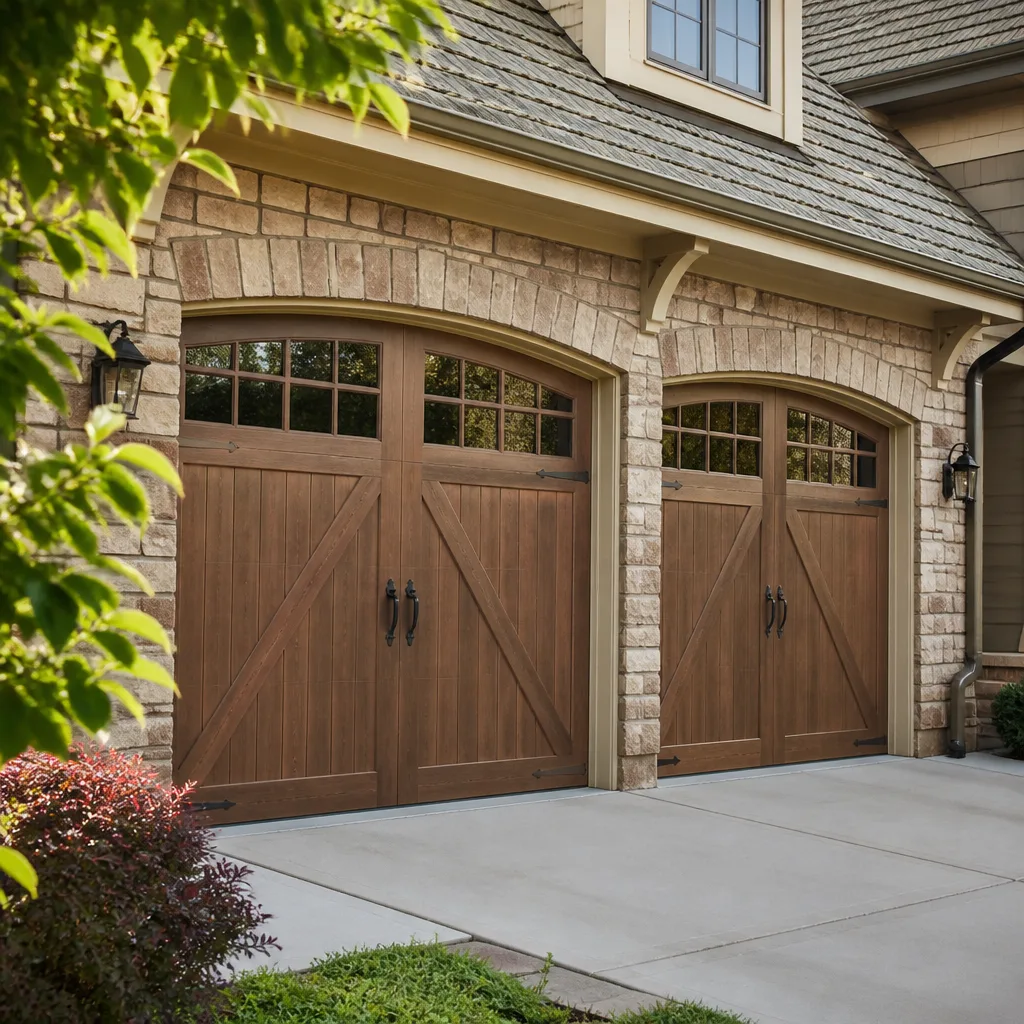 Carriage house
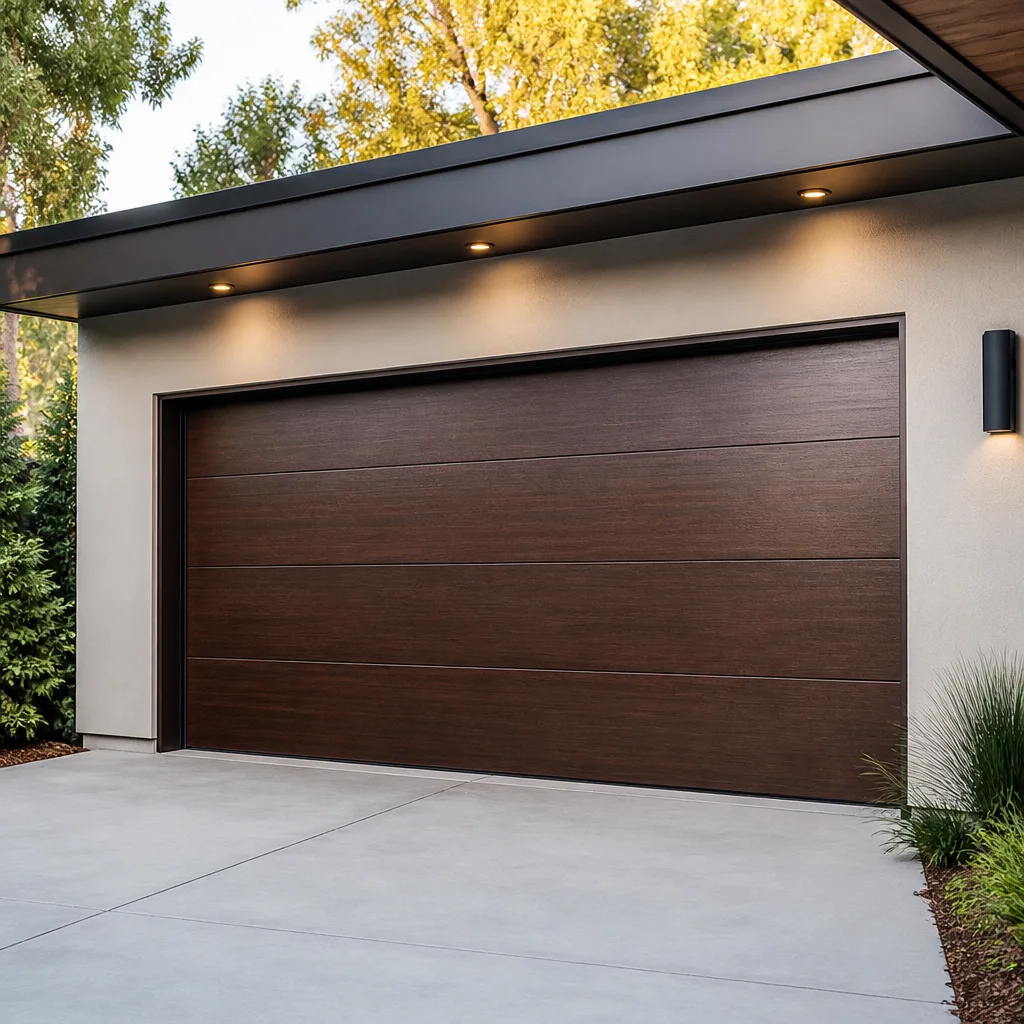 Modern flush
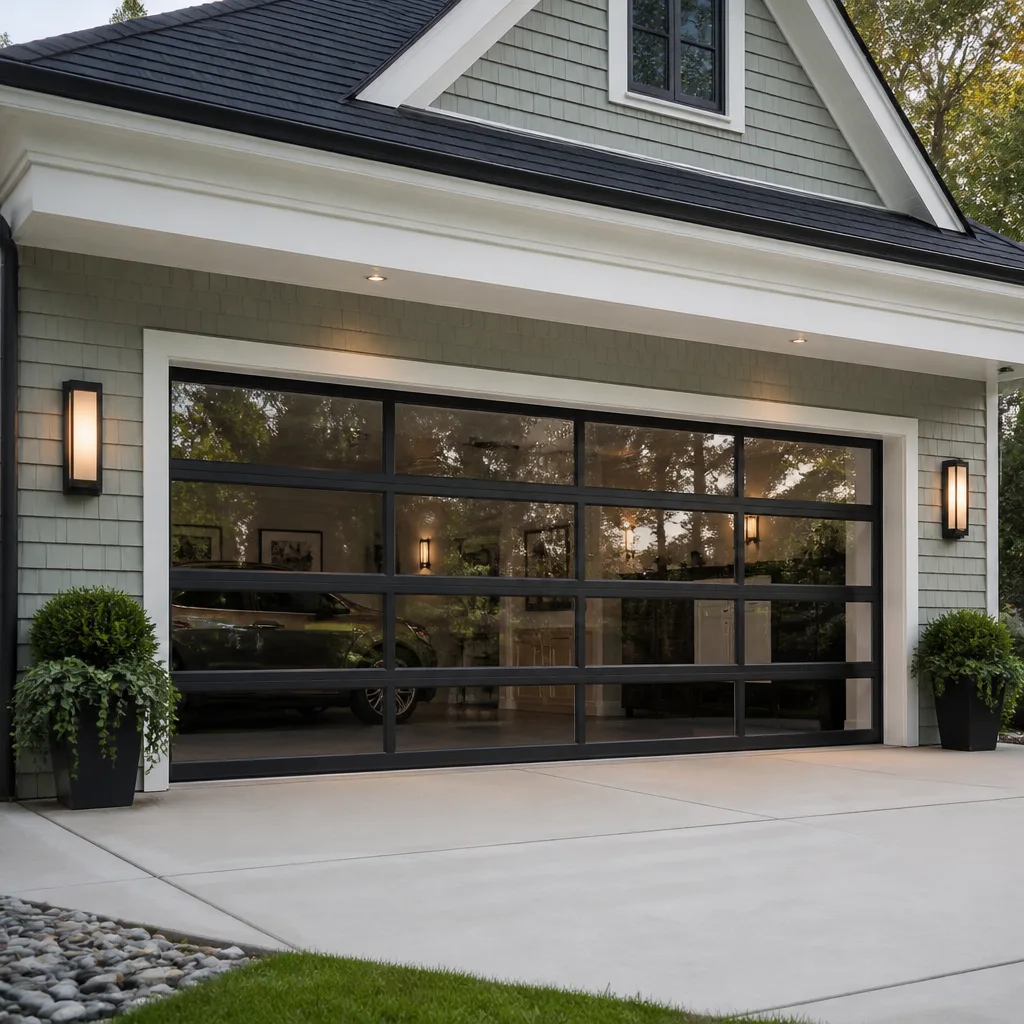 Full-view glass
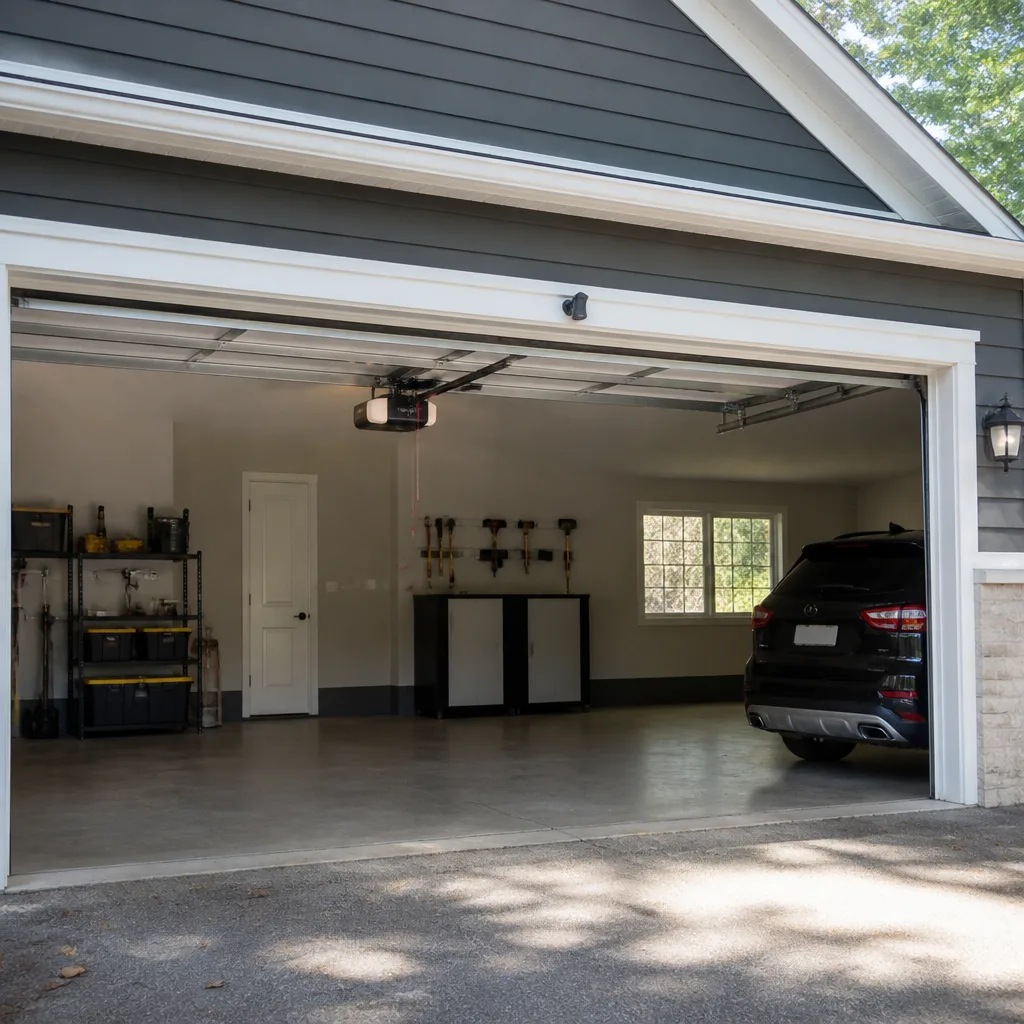 LiftMaster openers
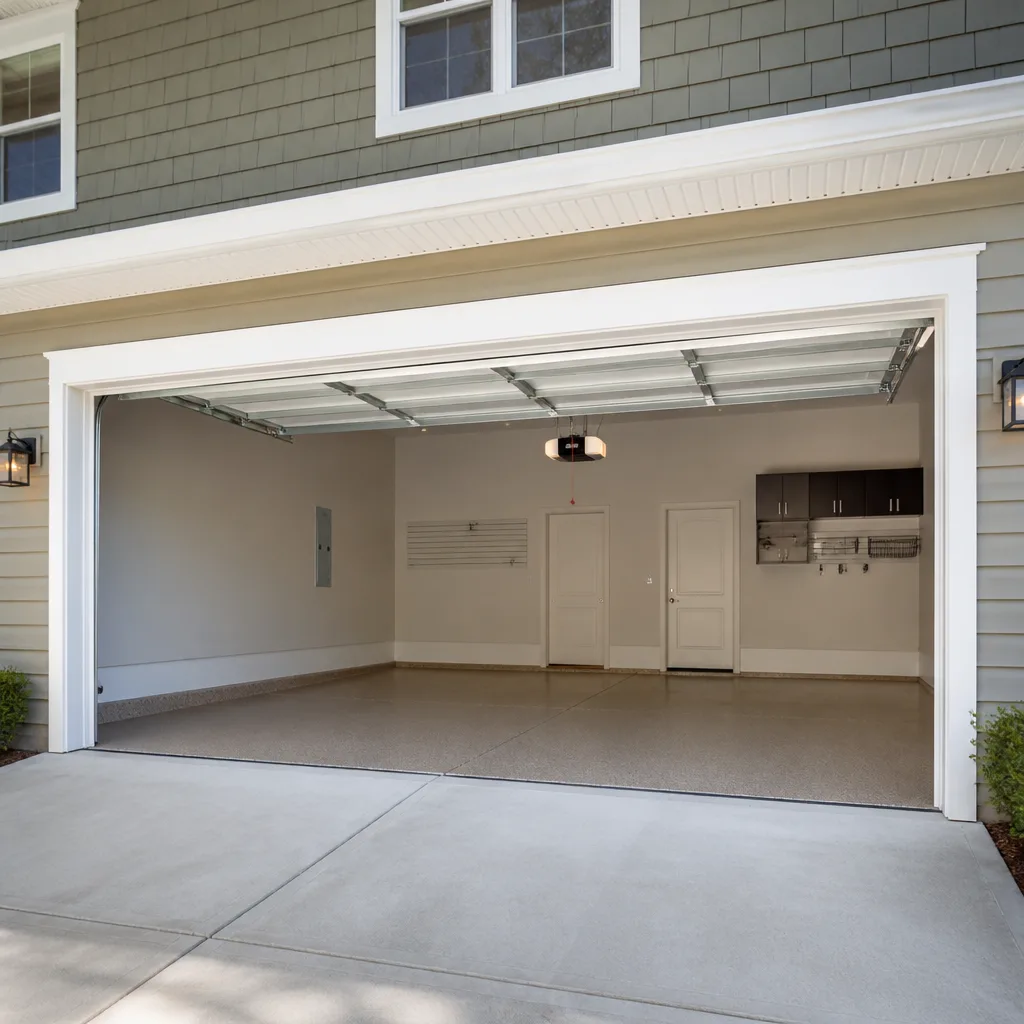 Chamberlain openers
Full 25-point door and opener safety check with every visit - springs, cables, rollers, tracks, and your LiftMaster or Chamberlain opener included
You get a price before we start. It does not change when the pro arrives.
Get your free estimateSeasonal Garage Door Care for Torresdale: Year-Round Homeowner’s Guide
January in Torresdale is the peak month for snapped torsion springs, and cold steel is only half the reason. Winter storms mean the door goes up and down more often than it does in milder months, and every one of those cycles happens while the metal is at its most brittle. The result is a door that fails on the worst possible morning. What most homeowners don’t realize is that the damage starts months earlier, quietly, in a season they barely think about. This guide maps which components take the hardest hit in each season and what to check before a small wear item turns into a snapped spring or a door that won’t close. You’ll learn a simple year-round routine that fits Torresdale’s four-season climate.
Quick Answer
Seasonal garage door care in Torresdale comes down to four checkpoints: winter (cold-brittle springs, a bottom seal that freezes to the floor, and opener force settings), spring (a post-winter inspection of cables, rollers and track alignment), summer (humidity swelling wood doors and stressing opener logic boards), and fall (replacing weatherstripping and tightening hardware before the first freeze). Add one 90-second visual inspection each month and you’ll catch most developing problems long before they strand your car.
Styles & brands we work with
- Raised-panel steel
- Carriage house
- Modern flush
- Full-view glass
- LiftMaster openers
- Chamberlain openers
Table of Contents
- Why Winter Is Hardest on Your Springs and Seal
- Spring: The Post-Winter Inspection Your Door Needs
- Summer Heat, Humidity, and Your Opener’s Electronics
- Fall Prep: The Sequence That Gets You Through the Freeze
- The 90-Second Monthly Check That Catches Most Problems
- Why Brand Familiarity Changes the Diagnosis
- Common Mistakes to Avoid
- When to Call a Professional
Why Winter Is Hardest on Your Springs and Seal
Torsion springs store the energy that lifts your door, and they do it under constant tension. Steel behaves differently as the temperature drops. Cold metal is less ductile, so a spring that flexes smoothly at 60 degrees becomes more prone to stress cracks and sudden failure at 25 degrees. Add the extra open-and-close cycles of a storm-heavy January and you have the exact conditions that snap springs.
What actually happens to the spring
A torsion spring is a coiled length of steel under hundreds of pounds of load. Each cycle flexes the metal slightly. Cold reduces its ability to flex without cracking, and a spring already near the end of its cycle life is the one that goes. That’s why the first genuinely cold snap of a Torresdale winter tends to bring a run of broken-spring calls. It’s not bad luck; it’s physics meeting an aging part.
Keep the bottom seal from freezing to the floor
The rubber bottom seal can freeze to a cold concrete floor or to a drift of snow and ice at the threshold. When the opener pulls the door up, it tears the seal or strains the opener. A light coat of silicone spray on the seal before the deep cold arrives keeps the rubber from bonding to the floor. Clear snow and ice from the threshold rather than letting it pack against the door.
Opener force settings in sub-freezing temperatures
Openers have adjustable force and travel limits. In cold weather, the door can stiffen and the opener may hesitate or reverse unexpectedly if the force setting is too tight. Don’t crank the force up to compensate, since that bypasses a safety feature. If your door short-cycles or reverses in the cold, that’s a signal to have the opener and the door’s balance checked together. For a LiftMaster or Chamberlain unit, a technician can read the force and travel values directly rather than guessing.
- Watch for: a door that reverses on the way down, a loud bang from above, or a gap at the bottom in cold weather.
- Do instead of adjusting force: lubricate rollers and hinges, then have the balance checked if the door still drags.
- Never touch a torsion spring yourself. It’s high-tension work and dangerous without the right tools and training. Spring replacement is a named service for exactly this reason.
Spring: The Post-Winter Inspection Your Door Needs
By the time the ground thaws in Torresdale, winter has left marks on more than the springs. Cables, rollers and track alignment all take cumulative stress from cold cycles and frozen seals. A focused post-winter inspection now prevents the failures that show up in July, when you least want your car trapped.
Step-by-step post-winter inspection
- Look at the springs. Check for a visible gap in a torsion spring or a stretched, sagging extension spring. A gap means a broken spring and the door should not be operated.
- Inspect the cables. Run your eyes along each cable for fraying, kinks or a loose drum. Cables are high-tension and should be handled only by a trained technician.
- Check the rollers. Worn steel rollers develop flat spots; nylon rollers crack in the cold. Listen for grinding as the door moves.
- Test track alignment. The door should travel smoothly without the panels jumping or a roller popping out of the track curve.
- Balance test. Disconnect the opener and lift the door by hand to about waist height. A well-balanced door stays put. If it drops or rises on its own, the spring tension needs attention.
- Lubricate. A light application of garage door lubricant on hinges, rollers and the track keeps everything moving freely into spring.
If any of the first five steps turns up a problem, stop and call a professional. Cables and springs are the two parts where a DIY repair can cause serious injury. This is the point in the year when a routine garage door repair call saves you from an emergency later.
Summer Heat, Humidity, and Your Opener’s Electronics
Summer in Torresdale brings a different set of stresses. Heat and humidity work on wood doors and on the electronics inside your opener, and the two problems look unrelated until you understand what’s happening.
Wood doors and humidity
Wood absorbs moisture and swells. A Clopay or Amarr wood door that fits perfectly in dry October can bind in humid July as the panels expand. The telltale sign is a door that suddenly rubs or sticks partway through its travel. Panel gaps can open as the wood dries again later, letting rain and pests in. Keeping a wood door sealed and painted is the simplest defense. If panels are already swelling and binding, the door’s balance and track may need adjusting.
Panel gaps and heat
Metal panels expand and contract too, just less dramatically than wood. On a multi-panel door, gaps between sections can widen in heat and narrow in cold. If you notice daylight through a panel gap in summer, the hinges may need tightening before winter.
Opener logic boards in the heat
Electronics don’t love heat. A logic board inside a hot garage can throw faults, and a smart-opener like a Chamberlain myQ system may lose its Wi-Fi link or behave erratically. If your opener acts up specifically on hot afternoons, heat is a suspect. Power-cycling the unit clears a temporary fault, but recurring issues point to the board itself and warrant a garage door opener repair visit. We repair the opener before ever recommending a replacement, and with LiftMaster and Chamberlain systems we can often read the fault directly.
Fall Prep: The Sequence That Gets You Through the Freeze
Fall is the season to do the work, because once the first hard freeze hits in Torresdale, everything gets harder to fix and failures get more likely. The order matters. Do the prep in this sequence so nothing gets skipped.
Pre-winter prep sequence
- Replace worn weatherstripping. The rubber strip around the door frame and the bottom seal are your first defense against cold air and ice. Replace them before the freeze, not after they’ve cracked and let water in.
- Lubricate everything that moves. Hinges, rollers, springs and the track get a fresh coat of garage door lubricant. This reduces the strain that cold makes worse.
- Tighten the hardware. Roller brackets, hinges and the track mounting bolts loosen over the year. A few minutes with a wrench now prevents a rattle in January.
- Check the balance again. A door that’s well balanced going into winter puts less load on the opener when the metal stiffens.
- Test the safety reverse. The door should reverse when it meets an obstruction. Cold can affect this, so confirm it works before winter.
- Clear the threshold. Make sure snow and ice have somewhere to go that isn’t packed against the bottom seal.
This sequence is why fall is the single most valuable season for preventive maintenance. A door prepped in October handles the January cold far better than one that isn’t. If your weatherstripping is shot or the door is out of balance after a long year, that’s the moment to schedule a Garage Door Repair Torresdale visit, before the freeze closes the window.
The 90-Second Monthly Check That Catches Most Problems
Here’s the one habit that does more than any other: a 90-second visual inspection once a month. In our experience, most developing problems show up early as something small you can see if you look. A quick monthly routine means you spot a frayed cable or a loose hinge before it becomes a snapped spring or a door that won’t open.
The 90-second checklist
- Springs: glance up at the torsion spring or the extension springs. A gap or a sagging spring is a red flag.
- Cables: check for fraying, kinks, or a slack cable hanging off its drum.
- Rollers: listen as the door moves. Grinding or a flat spot means worn rollers.
- Track: the door should be centered and travel without jumping. Look for dents or a roller out of the channel.
- Hardware: wiggle the hinges and brackets. Loose means tighten.
- Seal and weatherstripping: look for cracks, tears, or a gap at the bottom.
- Opener: test the safety reverse and listen for unusual noise from the unit.
That’s it. Ninety seconds. Keep a note of anything that changes from month to month. The point isn’t to fix everything yourself, since springs and cables are off-limits to DIY. The point is to know when to call, so a repair stays a repair instead of becoming an emergency.
Why Brand Familiarity Changes the Diagnosis
Garage doors aren’t generic. Each manufacturer builds its springs, cables, openers and panels to its own specifications, and a technician who knows the brand diagnoses faster and sources the right parts without guesswork. We’re trained to work on eight of the most widely installed brands on the market, and that breadth matters when something fails.
What that means for you
- Openers: LiftMaster and Chamberlain (including the myQ smart-home ecosystem) are the two we see most, and we also handle legacy Craftsman, Genie and Raynor units. If your opener is a Wi-Fi-capable LiftMaster or a decades-old Genie, the diagnostic path differs.
- Doors: Clopay and Amarr are common in Torresdale, and the way their panels and hardware age informs both repair and replacement decisions.
- Springs and cables: correct sizing is safety-critical. Knowing the door’s make helps us match spring specifications rather than guessing.
This is also why we handle the whole lifecycle rather than one slice of it. A snapped spring, a dead opener, or a door that finally needs replacing doesn’t force you to find separate vendors for each job. From a spring replacement to a full garage door installation, one call covers it. That’s the practical value of working across every major brand instead of being locked into a single dealer’s lineup.
Common Mistakes to Avoid
- Adjusting the opener force to fix a stiff door. Cranking up the force masks a balance problem and defeats a safety feature. Fix the cause (lubrication, balance, spring tension), not the symptom.
- Ignoring a frozen bottom seal. Tearing a frozen seal free with the opener damages the rubber and the door. Spray it with silicone before the cold and clear ice from the threshold.
- Treating the spring as a DIY job. Torsion and extension springs are under extreme tension. This is the one part of the system you should never touch yourself. Spring replacement is high-tension work and we train specifically for it.
- Skipping the fall prep. Waiting until the first freeze means problems surface in the worst conditions. Do the weatherstripping and lubrication in fall, before the cold sets in.
- Assuming a noisy door is normal. Grinding, rattling or a door that hesitates are early warnings. A monthly listen catches them before a failure.
- Replacing the whole door when a repair will do. A technician who knows your brand can often repair an opener or a panel. Ask for a diagnosis before you agree to a replacement.
- Letting a wood door go unsealed. In Torresdale’s humid summers, an unsealed wood door swells and binds. Keep it painted and sealed to avoid the fight.
See the difference
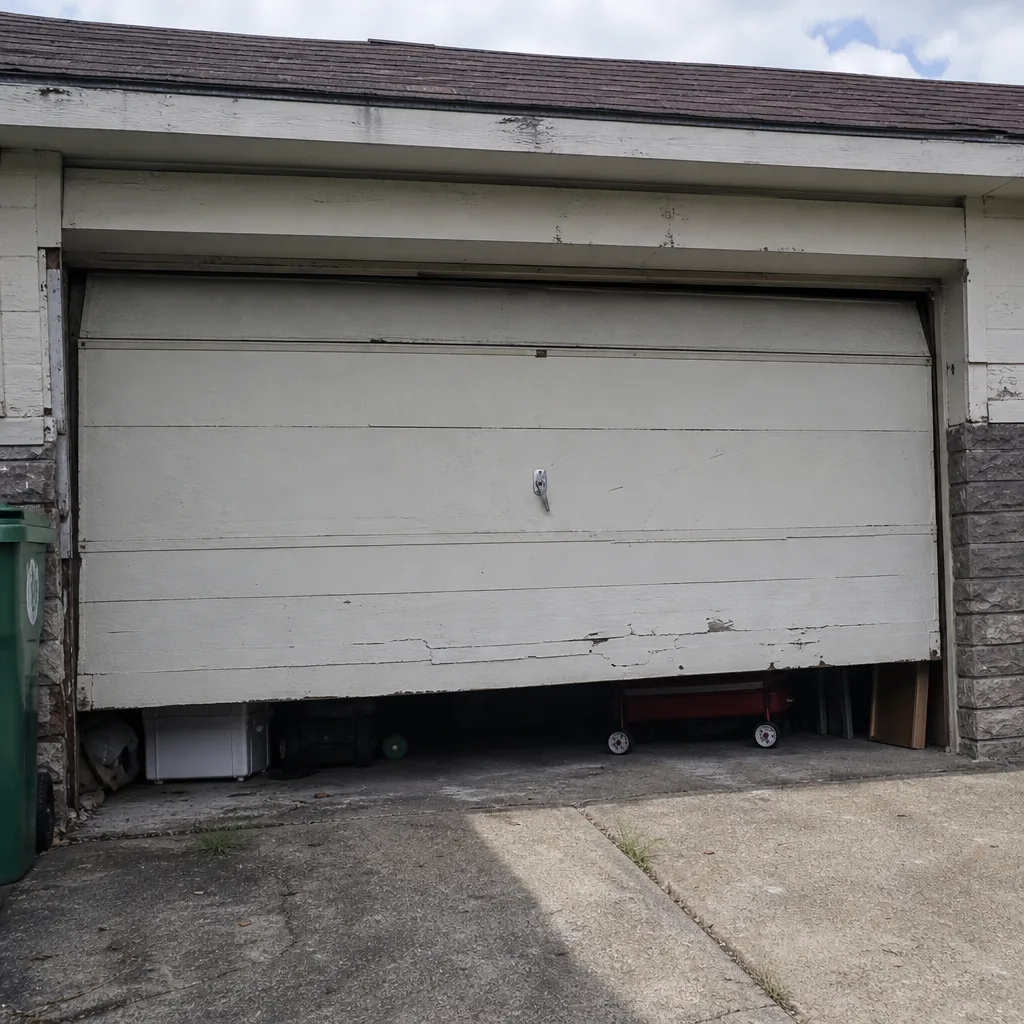 Before
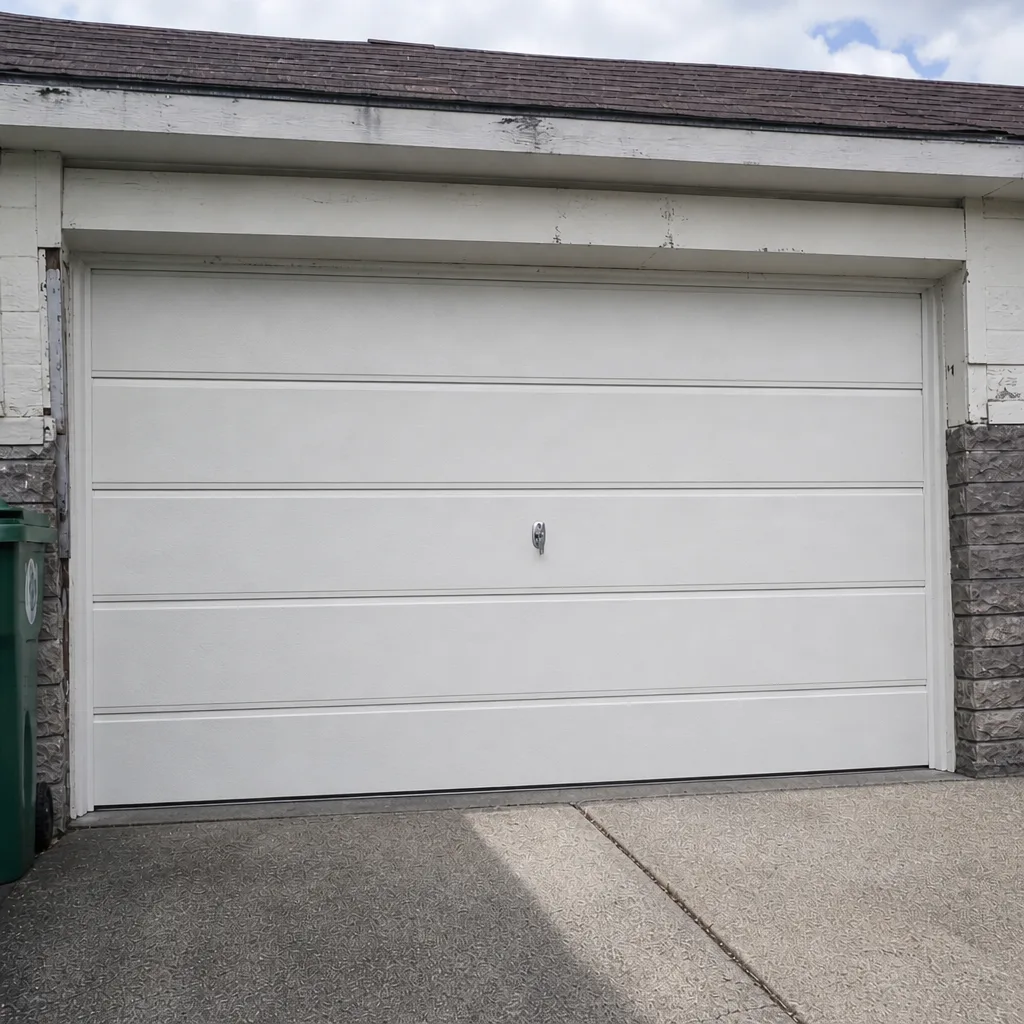 After
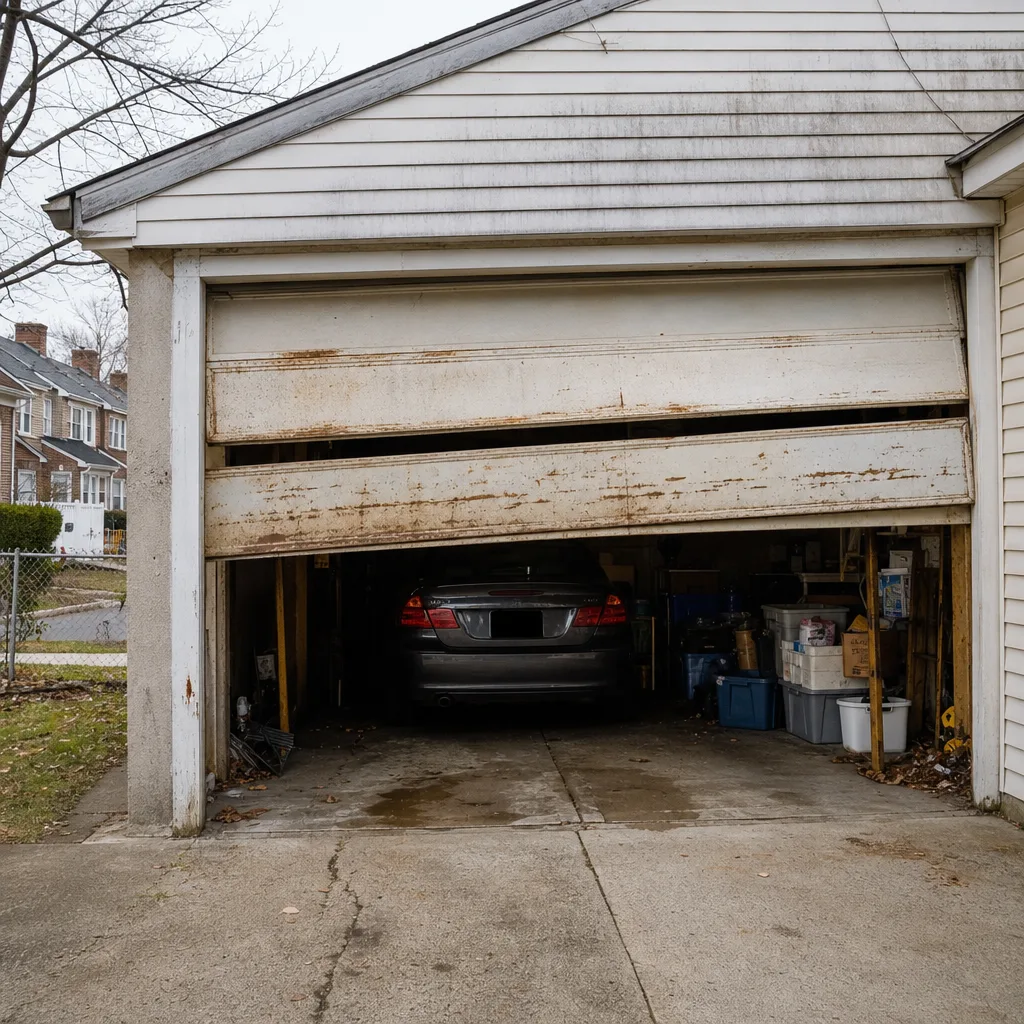 Before
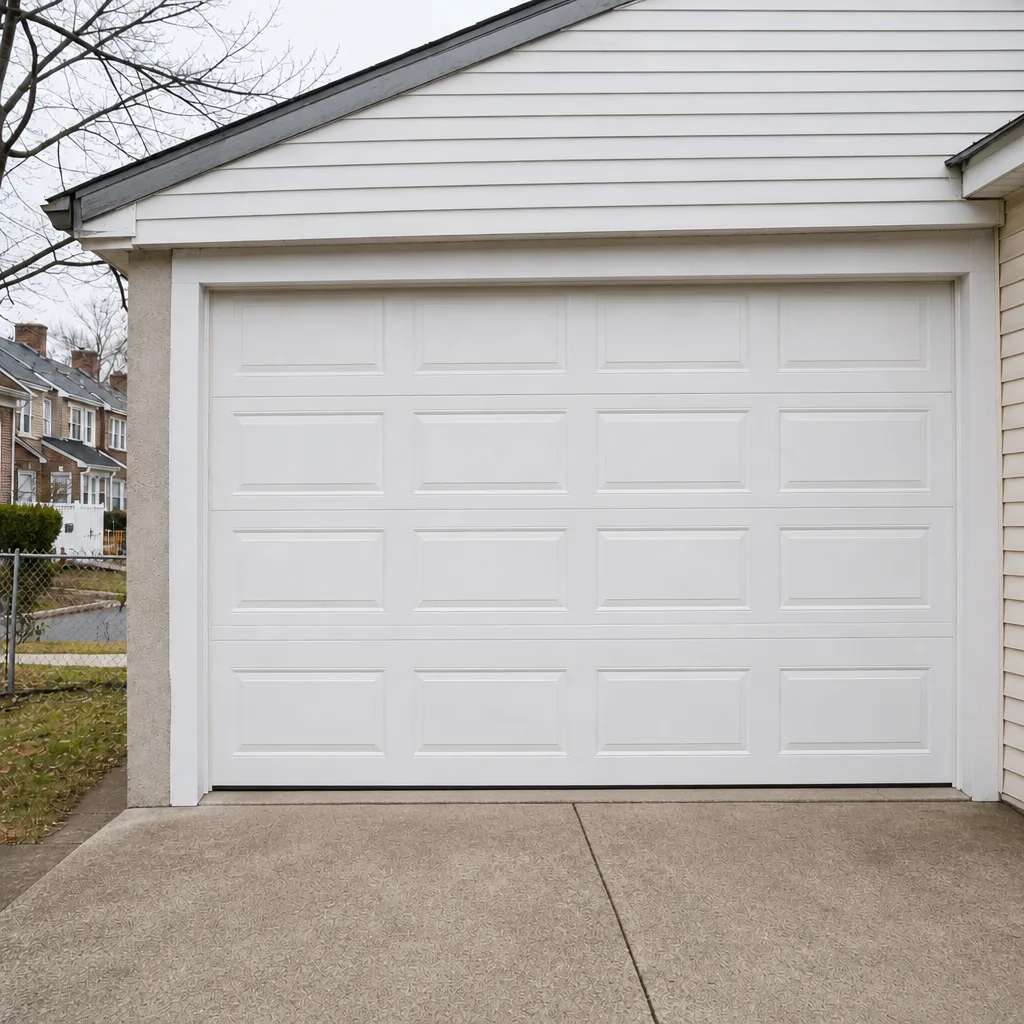 After
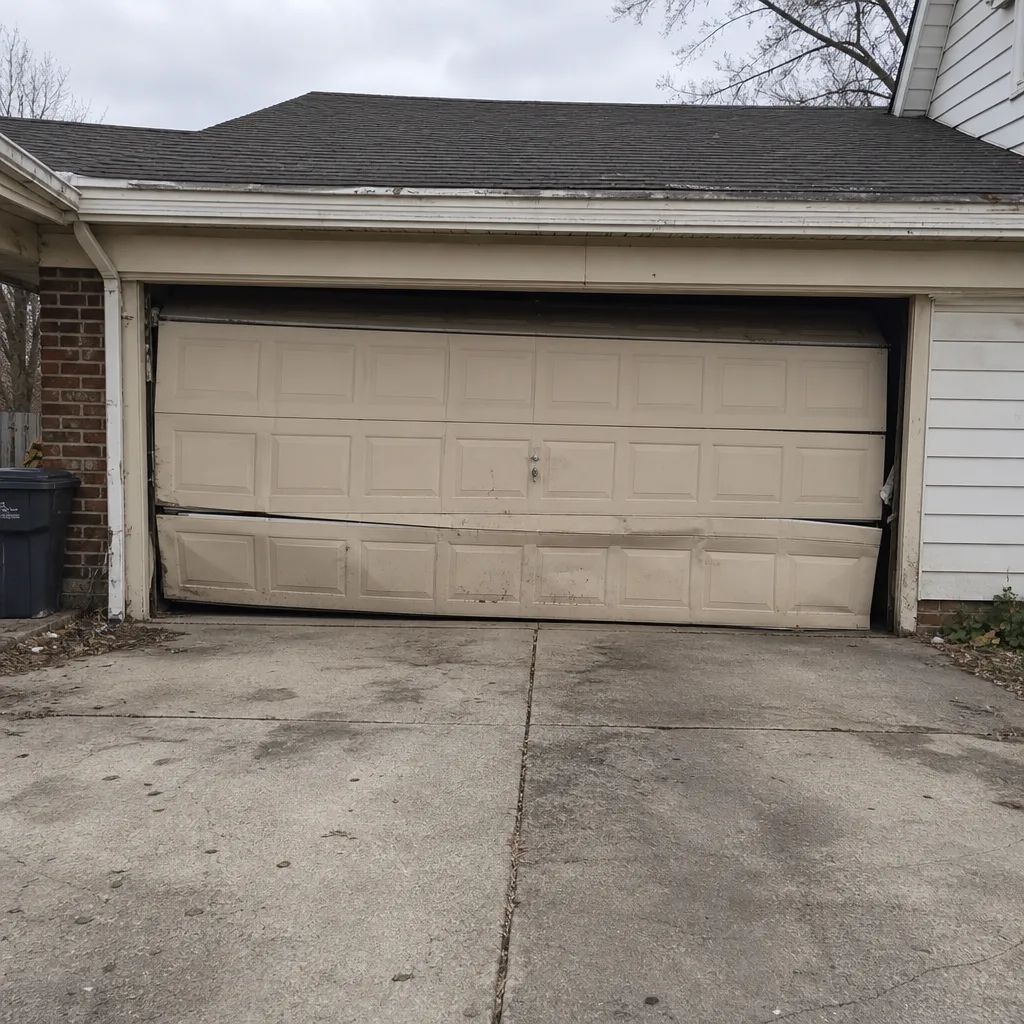 Before
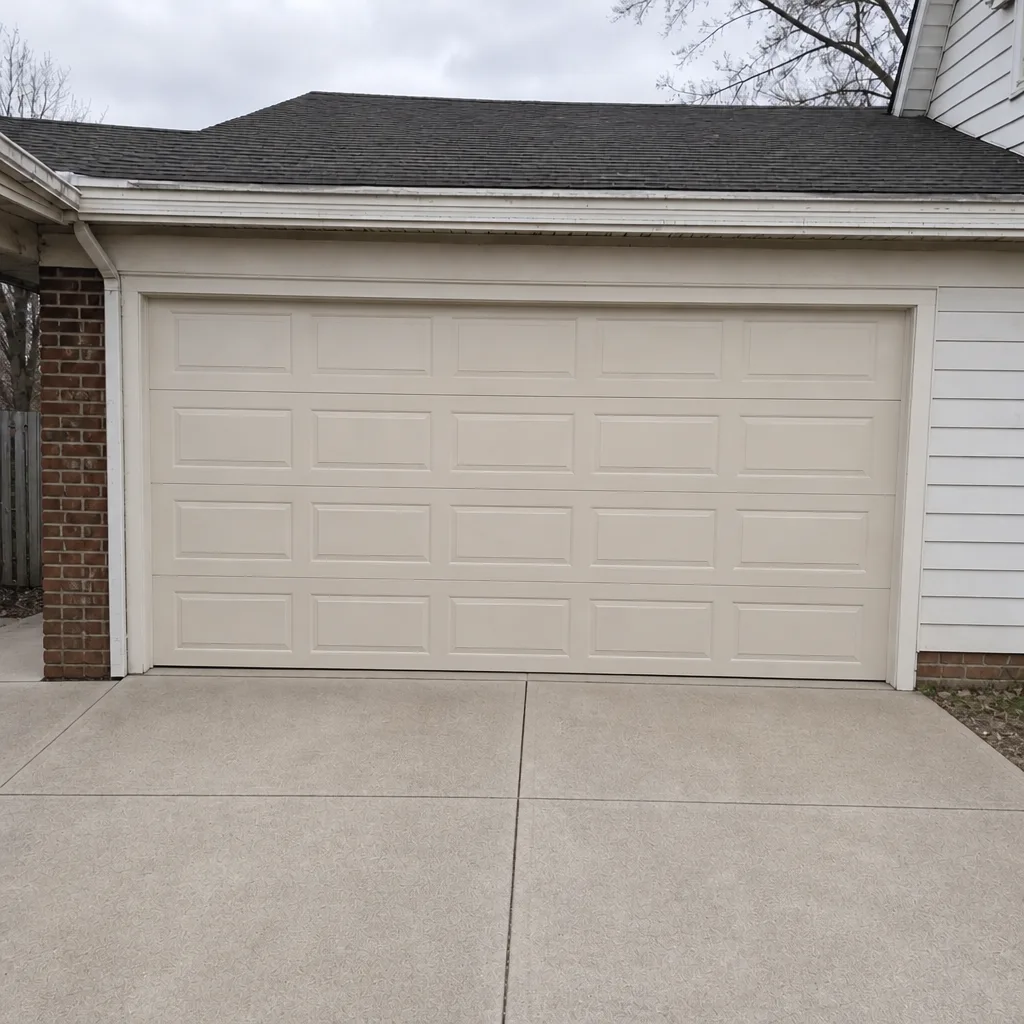 After
When to Call a Professional
Call a professional when a spring has visibly broken, a cable is frayed or off its drum, the door is off its track, or the opener reverses or fails to lift. Those are the situations where a DIY repair risks injury or further damage. Also call when the door is out of balance, when a monthly check turns up a problem you can’t safely address, or when a door that failed suddenly leaves your car trapped. A stuck door doesn’t wait for a convenient time, which is why emergency service is available for urgent, unplanned failures. Garage Door Repair Torresdale offers free estimates in Torresdale, and our technicians have up to 9 years of experience with springs, cables, openers and full installations. Call (855) 691-5232. We answer 24/7. Fast dispatch from 7am to 7pm, Sunday through Friday.
Frequently Asked Questions
Do a focused check four times a year, once per season, plus a 90-second visual inspection each month. Spring and fall are the two checkpoints that matter most: spring catches winter damage and fall preps the door for the freeze. The monthly check is what catches small problems early, and the seasonal check is the deeper pass.
Cold makes steel less ductile, so a spring that flexes smoothly in mild weather is more prone to cracking in the cold, and winter storm cycles add extra open-and-close wear. The spring most at risk is one already near the end of its cycle life. If a spring snaps, don’t operate the door. Call (855) 691-5232, and we’ll get a technician out. Estimates are free.
Don’t force the door up with the opener, since that tears the seal and strains the opener. Clear ice and snow from the threshold first, then gently free the seal. Before next winter, apply a silicone spray to the rubber so it doesn’t bond to cold concrete. If the seal is already torn, replace it before the cold returns.
Heat can cause an opener’s logic board to throw faults or lose its smart-home connection. If a LiftMaster or Chamberlain unit misbehaves mainly on hot afternoons, heat is the likely cause. Power-cycling clears a temporary fault, but recurring issues point to the board. We repair the opener before recommending a replacement. Call (855) 691-5232 for a free estimate.
Yes. A door can stiffen in the cold, and the opener may hesitate or reverse if its force setting is too tight. Don’t raise the force to compensate, since that bypasses a safety feature. Lubricate the moving parts and have the door’s balance checked. If it still acts up, a technician can read the opener’s force and travel values directly.
Replace it in fall, before the first freeze. Worn weatherstripping lets cold air and moisture in, and once the temperature drops, a torn seal is harder to fix and more likely to cause a problem. Doing it as part of the fall prep sequence means your door is sealed against the cold from the start. Call (855) 691-5232 if you need help. Estimates are free.
The Bottom Line
Every component of your garage door wears differently through the year, and Torresdale’s four seasons each stress a different part. Winter attacks springs and seals. Spring reveals what winter did to cables, rollers and track. Summer works on wood doors and opener electronics. Fall is your window to prep before the freeze. The 90-second monthly check ties it together by catching developing problems early. Do the seasonal passes, watch the small signs, and leave the springs and cables to a trained technician. A door cared for this way stays reliable, and a repair stays a repair. When something does need attention, one call covers it.
Ready to get your door in shape for the season ahead? Call (855) 691-5232 for a free estimate. Our technicians have up to 9 years of experience across LiftMaster, Chamberlain, Genie, Clopay, Amarr, Wayne Dalton, Craftsman and Raynor systems, and we handle everything from a snapped spring to a full new door. We answer 24/7. Fast dispatch from 7am to 7pm, Sunday through Friday.
Written by the team at Garage Door Repair Torresdale.