
Last updated November 21, 2026
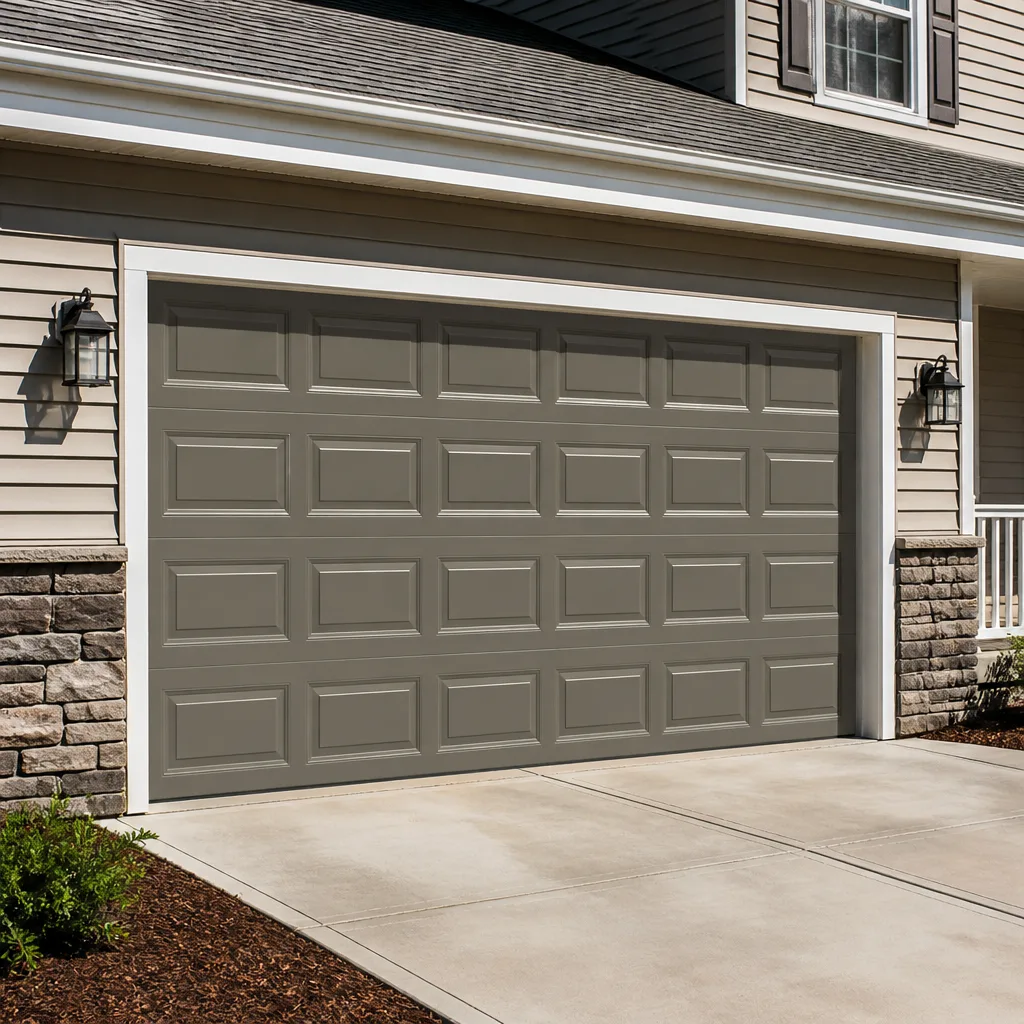 Raised-panel steel
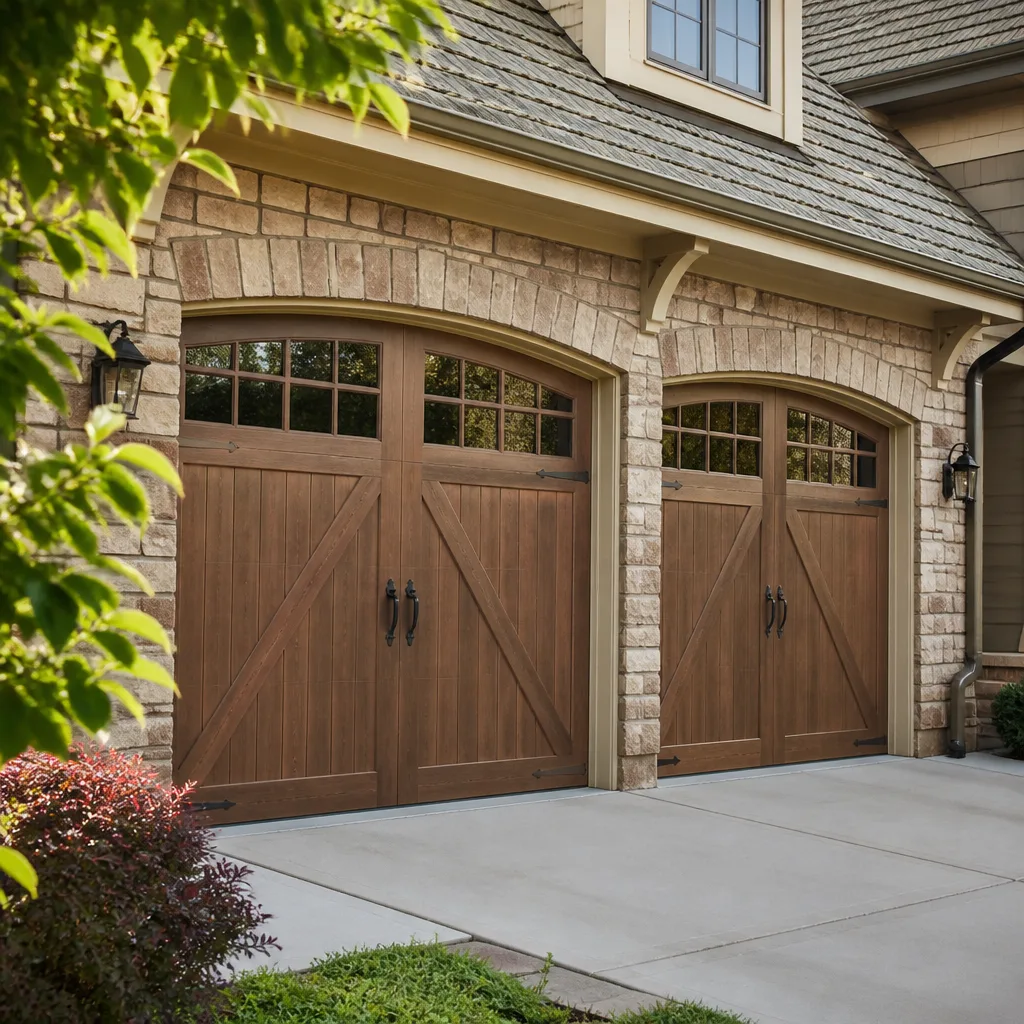 Carriage house
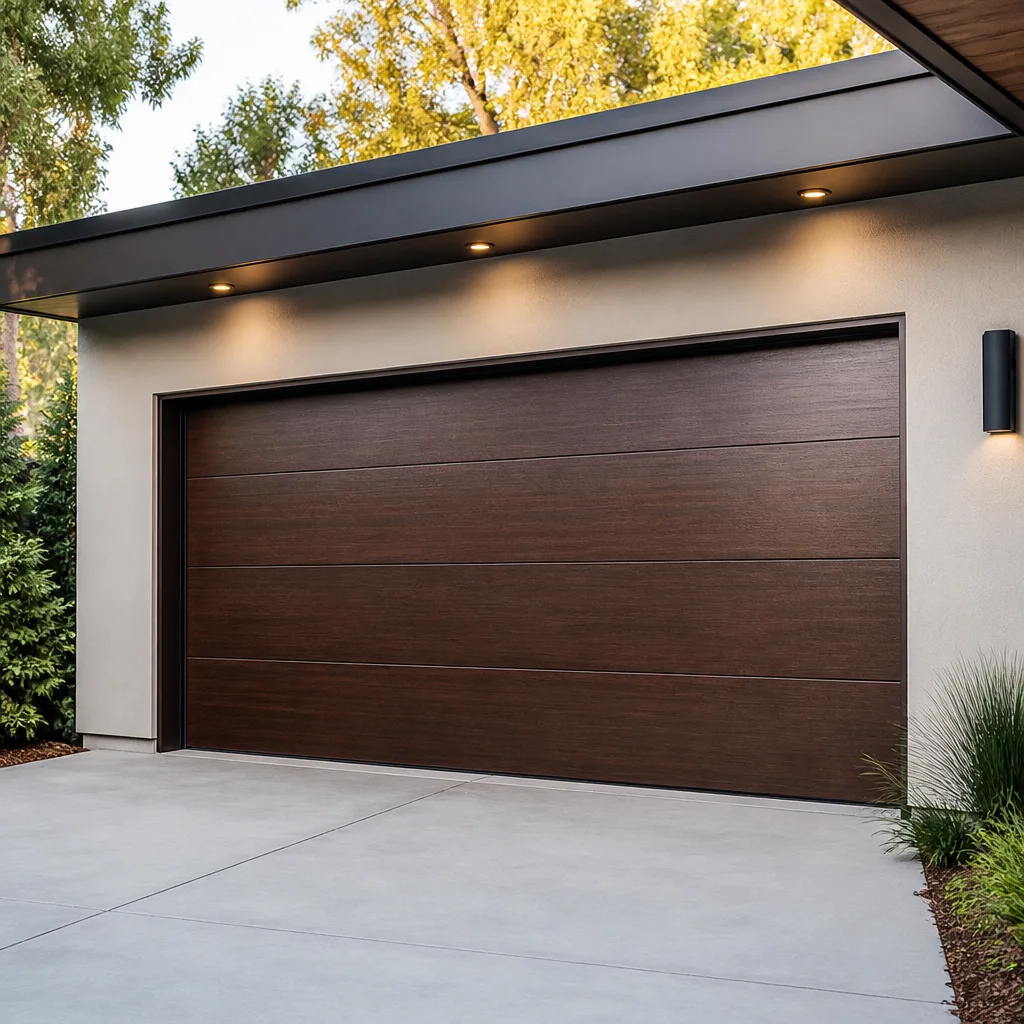 Modern flush
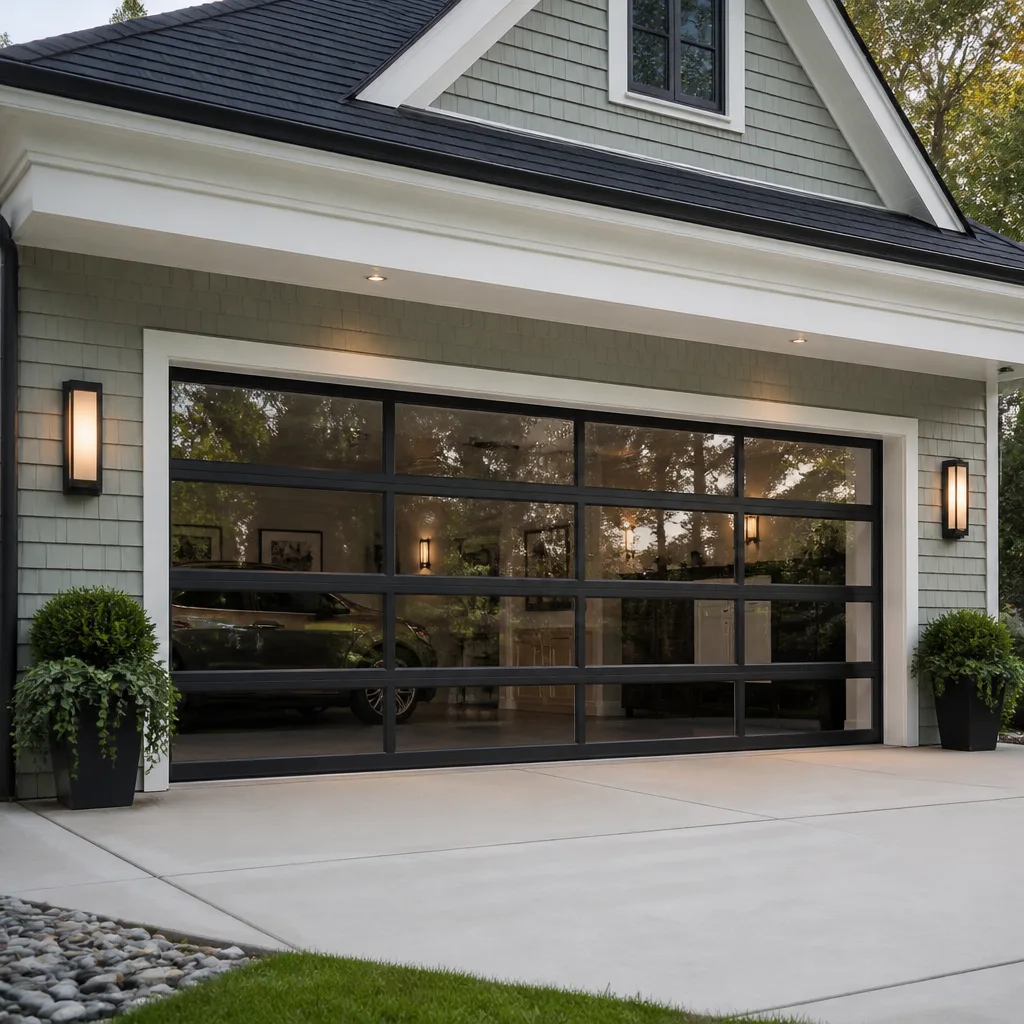 Full-view glass
 LiftMaster openers
 Chamberlain openers
Full 25-point door and opener safety check with every visit - springs, cables, rollers, tracks, and your LiftMaster or Chamberlain opener included
You get a price before we start. It does not change when the pro arrives.
Get your free estimateGarage Door Repair Maintenance Checklist for Torresdale Homeowners
The number one reason a garage door spring snaps without warning usually isn’t age. It’s that the door was never balanced correctly after the last service call, so one spring has been carrying uneven stress for years. A door that lifts a little heavy, drifts down a few inches on its own, or thumps harder than it used to is telling you something is out of balance long before the spring breaks. This guide walks through a maintenance checklist built around how doors actually fail in Torresdale, PA, not a generic manufacturer’s pamphlet. You’ll learn what to check, when to check each part, which products to use and avoid, and the red flags that mean stop using the door and call a technician.
Quick Answer
A working maintenance routine for a Torresdale garage door means a five-minute monthly visual and balance check, lubrication every four to six months, seasonal adjustments in January and August to account for temperature swings, and a professional tune-up when you spot cable fraying, spring gaps, or a door that won’t stay balanced. Most doors fail because one worn or misadjusted part quietly loads extra stress onto the springs. Catching it early is the whole game.
Styles & brands we work with
- Raised-panel steel
- Carriage house
- Modern flush
- Full-view glass
- LiftMaster openers
- Chamberlain openers
Table of Contents
- Why Door Balance Matters More Than Age
- The Monthly Five-Minute Checklist
- Component Inspection Intervals: Springs, Cables, Rollers, Weatherstripping
- How to Do a Proper Balance Test at Home
- Lubrication Points Most Homeowners Skip
- Seasonal Adjustments for the Torresdale Climate
- Red-Flag Findings: Stop Using the Door and Call
- Opener Care and Sensitivity Settings
Why Door Balance Matters More Than Age
Garage door torsion and extension springs are sized to hold a specific door weight. When the door is properly balanced, the spring tension pulls against gravity and the opener only has to nudge the door along. When the door drifts out of balance, one spring does more of the work than it was built for. That off-kilter loading is what wears a spring down faster than its calendar life would suggest. A door can be only a few years old and still be running on a spring that’s been overworked since the day a technician reset the tension without re-checking balance.
In Torresdale, the problem is amplified by how often doors cycle. Most homeowners here use the garage as the main entry. That’s a lot of open and close on the same springs. The door that gets cycled eight times a day wears through its spring life faster than one that opens once. Balance is what makes those cycles count evenly, and imbalance is what shortens them.
What an out-of-balance door feels like matters more than what it looks like. Your door may be out of balance if:
- The door feels noticeably heavier going up than coming down.
- It drifts down or slams shut when you release it partway open.
- You hear a rhythmic thump or scrape on one side during travel.
- The opener strains or slows near the top of the track.
- A panel or hinge looks off level compared to its neighbor.
None of these mean the spring is about to snap. All of them mean you should check balance before it does. If you’re not sure what you’re feeling, a Garage Door Repair Torresdale visit with a proper balance check will tell you where the stress is sitting.
The Monthly Five-Minute Checklist
A proper home inspection takes about five minutes and catches most problems before they become repairs. Do it with the door closed and the opener unplugged or the power disconnected so no one can cycle it while you’re working. Then work from bottom to top.
- Look at the bottom seal. The rubber weatherstripping across the threshold should sit flat against the floor with no daylight showing. Gaps mean cold air, water, and insects are getting in.
- Check the panels. Stand inside with a flashlight and look for dents, cracks, or separating seams. On steel doors, watch for rust starting at the bottom edge where moisture collects.
- Run the door and listen. With the opener reconnected, listen for grinding, popping, or a heavy thud at the end of travel. A smooth door is quiet.
- Watch the rollers and hinges. Rollers should turn smoothly in their tracks with no wobble. Hinges should look straight and sit flush.
- Look up at the springs. On torsion springs, most modern installations include a safety cable, and the spring coils should look even. On extension springs, check for a gap in the coils or a stretched section. Never touch or adjust the springs yourself; this is high-tension work that belongs with a trained professional.
Do this once a month and note anything new. A door that sounds the same in January and July is a door that’s balanced. One that keeps changing is telling you something is loose, worn, or loaded wrong. If you find anything that worries you, our team can help with garage door repair before it turns into an emergency.
Component Inspection Intervals: Springs, Cables, Rollers, Weatherstripping
Every part of a garage door wears on its own clock. A checklist that treats them all the same misses the ones that fail first. Here’s how the intervals break down by component, and how to tell where each part stands.
- Springs: Check visually every month. A torsion spring typically sees a professional inspection during a tune-up; extension springs need a closer look any time you notice a gap or sag. Springs are the most common failure, and balance is the biggest factor in how long they last.
- Cables: Check every three to six months. Look for fraying, kinks, or slack at the drum. A cable is a safety device as much as a lifting device, and a frayed one should be replaced, not re-tensioned.
- Rollers: Check every three to six months. Steel rollers wear flat spots; nylon rollers can crack. Worn rollers drag on the track and make the springs work harder.
- Hinges and brackets: Check every three to six months for loose bolts. A rattling door usually has a loose hinge or bracket somewhere.
- Weatherstripping and bottom seal: Check every few months, and more often in the fall going into winter. A brittle seal stops sealing, and that’s the part most homeowners notice last.
- Opener hardware: Check every six months. Inspect the chain or belt for slack, the safety sensors for alignment, and the force settings after any door adjustment.
The pattern to remember: springs and safety hardware are the fast-fail items, so check them often. Rollers, cables, and seals are slow wear, so a quarterly pass is enough. Torresdale homes with older doors tend to show roller wear first because steel rollers flatten long before the door itself is near the end of its life.
How to Do a Proper Balance Test at Home
The balance test is the single most important thing you can do for the health of your springs. It tells you whether the door is pulling evenly or whether one side is doing too much. Do it safely by hand, never with the door cycling under power.
- Disconnect the opener. Pull the red emergency release handle to disconnect the door from the opener carriage. You can hear and feel when it lets go.
- Open the door by hand to about halfway, then let go. A balanced door should stay where you put it or drift only slightly.
- Move it to three positions: an inch or two above the floor, halfway open, and near the top. Let it rest at each. A balanced door stays roughly in place at all three.
- Watch for drift. If the door slides down on its own from the halfway point, the springs are under tensioned or one side is failing. If it feels heavy going up, the springs are overtensioned.
- Check the door clears its tracks as it moves. A door that rubs on one side will eventually chew up the rollers and load the springs unevenly.
- Reconnect the opener and reset the travel and force settings only if you’re confident in the procedure. If not, keep the opener disconnected and call a technician.
An out-of-balance door almost always shows up here first. Feels heavy on the up. Drifts down at the halfway mark. Or travels with a slight twist that tells you one spring is working harder. If the door passes, great. If it doesn’t, that’s the fix to schedule before the door snaps a spring. Springs are high-tension, and a failed spring can be dangerous, so don’t try to adjust or replace one yourself. Call our team at (855) 691-5232 if the balance test comes back uneven; estimates are free.
Lubrication Points Most Homeowners Skip
Lubrication is where a lot of well-meaning maintenance goes wrong, because the wrong product is worse than no product. Nylon rollers, plastic hinge bushings, and plastic travel carriage parts are common on modern doors, and a solvent-heavy lubricant can attack them. Stick with a silicone-based spray for these surfaces, and keep traditional oil away from anything plastic.
What to lubricate and how often:
- Roller bearings and stems: A light silicone spray every four to six months. Avoid soaking the roller body.
- Hinge pivot points and plate tabs: A few drops of silicone on the metal pivot, not the hinge leaf.
- Torsion spring coils: A light silicone spray on the coil only if your manufacturer recommends it. Never use heavy grease on a spring.
- Track curves and rails: The bends where the door transitions from horizontal to vertical should run smooth. A dry track is normal; a squeaky one responds to silicone, not oil.
- Chain or belt drive: Follow the opener manufacturer’s recommendation. Chain drives may want a light lubricant; belt drives are usually designed to run dry.
Here’s what most homeowners skip. They lube the track, oil the chain, and never touch the hinge pivots or roller stems. Those are the parts that actually squeak. Skip the white lithium grease on nylon components, and don’t spray the plastic travel carriage of a modern opener; the grease traps grit and wears the carriage faster. In our experience, most noisy doors just need the right product on the right parts, not a total rebuild. If you’re not sure what your opener or door takes, ask before you spray. Brands like LiftMaster, Chamberlain, Genie, Craftsman, and Wayne Dalton each specify different products, and we work on all of them.
Seasonal Adjustments for the Torresdale Climate
The Torresdale area runs through real seasonal swings, and the garage door feels them. Metal contracts in January and expands by August. Wood frames move. Seals get brittle in the cold and soften in the heat. The checklist that works in June is not the checklist for February.
Going into cold weather (fall into winter):
- Re-test the balance. Cold makes metal tighter, and a door that was marginally balanced in summer can start drifting in January.
- Check the bottom seal and side weatherstripping for cracks before the hard freeze. A brittle seal lets cold air in and moisture settle under the door.
- Watch the opener’s force settings. A cold door needs more muscle, and a force setting that was fine in August may trip the auto-reverse in January. Never raise the force to cover a stiff door; fix the stiffness.
- Check cable slack at the drums. Cold contraction can leave a cable looser than it was.
Going into warm weather (spring into summer):
- Re-test balance and listen for new noises. Heat brings expansion, and an overtensioned spring can get noisy.
- Clean the tracks. Summer dust and debris collect in the channels and drag the rollers.
- Check the seals again. Winter cycle damage often shows up as splitting in spring.
- Run the door through a full cycle and confirm the safety sensors still trip and reverse the door.
What changes between January and August in Torresdale is mostly tension and force settings. The door that needs a small adjustment going into each season is normal. A door that needs one every few weeks is out of balance and shouldn’t be nursed along.
Red-Flag Findings: Stop Using the Door and Call
Some findings mean the door should come off its opener and stay closed until a professional inspects it. These aren’t irritation items; they’re safety items.
- A visible gap in a torsion spring’s coil or a broken extension spring with a visible gap. The door may be holding on the other spring, and the next cycle can drop it.
- A frayed, kinked, or snapped cable. A cable under load that lets go can snap with serious force.
- A door that’s come off one track or sits crooked in the opening. Cycling it further can bend panels, twist the tracks, and turn a repair into a replacement.
- The door won’t auto-reverse. Put a piece of wood in the path and watch for the door to reverse on contact. If it doesn’t, the opener’s safety system is failing.
- Rollers popped loose from their track or visibly broken. The door is moving on a compromised track.
- Loud popping or banging from overhead. This can be a spring failure in progress, so stay clear of the door and call.
For anything on that list, keep people, pets, and cars clear of the door and call a technician. We offer emergency service because a broken garage door doesn’t wait for a convenient time, and a stuck door can trap a car inside. If your door fails, call (855) 691-5232. We answer 24/7, with fast dispatch from 7am to 7pm, Sunday through Friday. A call outside dispatch hours is booked into the next opening.
Opener Care and Sensitivity Settings
The opener is the most misunderstood part of the system. When a door struggles to open, the opener gets blamed first, and the spring is the usual culprit. The opener isn’t failing because it’s old; it’s failing because it’s fighting a door that’s out of balance. So the first step in any garage door opener repair call is to check the door by hand, then look at the opener.
Monthly opener care:
- Test the safety sensors by breaking the beam with a hand or a piece of wood. The door should reverse.
- Test the reversal with a small block in the door’s path. The door should reverse on contact.
- Listen for grinding or squealing from the opener’s gear. Any new noise means a worn gear or bearing.
- Check the wall control and remotes. Intermittent operation usually points to a dying battery, a misaligned sensor, or a loose wire at the terminal, not the opener itself.
Modern Wi-Fi openers from LiftMaster and Chamberlain, including the myQ system, have a diagnostics readout in the app that flags sensor trouble and force errors. Legacy openers from Genie and Craftsman don’t. Either way, don’t raise the force setting to make a heavy door open. That’s the mistake that wears out gears and eventually the door. If the door won’t lift smoothly on a manual release, the opener is not the problem.
When it is time to replace, we install the same brands we repair, having experience with eight major models so we can match the opener to your door. That’s part of what makes garage door installation in this area different: a proper install means the opener, springs, and door weight are matched from the start.
Common Mistakes to Avoid
- Spraying oil or grease on the tracks. Tracks should run dry; oil attracts grit and wears the rollers faster. A little silicone on the curves is all they need.
- Adjusting the springs without a balance test. A tension adjustment without re-checking balance just moves the problem around. Springs are high-tension components, so this belongs with a trained technician, not a home fix.
- Using the wrong product on nylon rollers and plastic parts. Solvent-heavy lubricants degrade nylon. Use silicone spray instead.
- Raising the opener force setting to cover a stiff door. The stiff door is the problem. The force setting is not.
- Skipping the seasonal adjustment. Torresdale swings from cold to hot, and a door that’s perfectly adjusted in one season is often out of balance in the next.
- Ignoring a small dent or a loose hinge. A small issue left alone becomes a major repair when the door’s weight starts working against a bent panel or a loose bracket.
- Calling for a full replacement before getting a proper diagnosis. Most failed doors are fixable. We repair the door before recommending a new one, and a straight diagnosis saves money.
See the difference
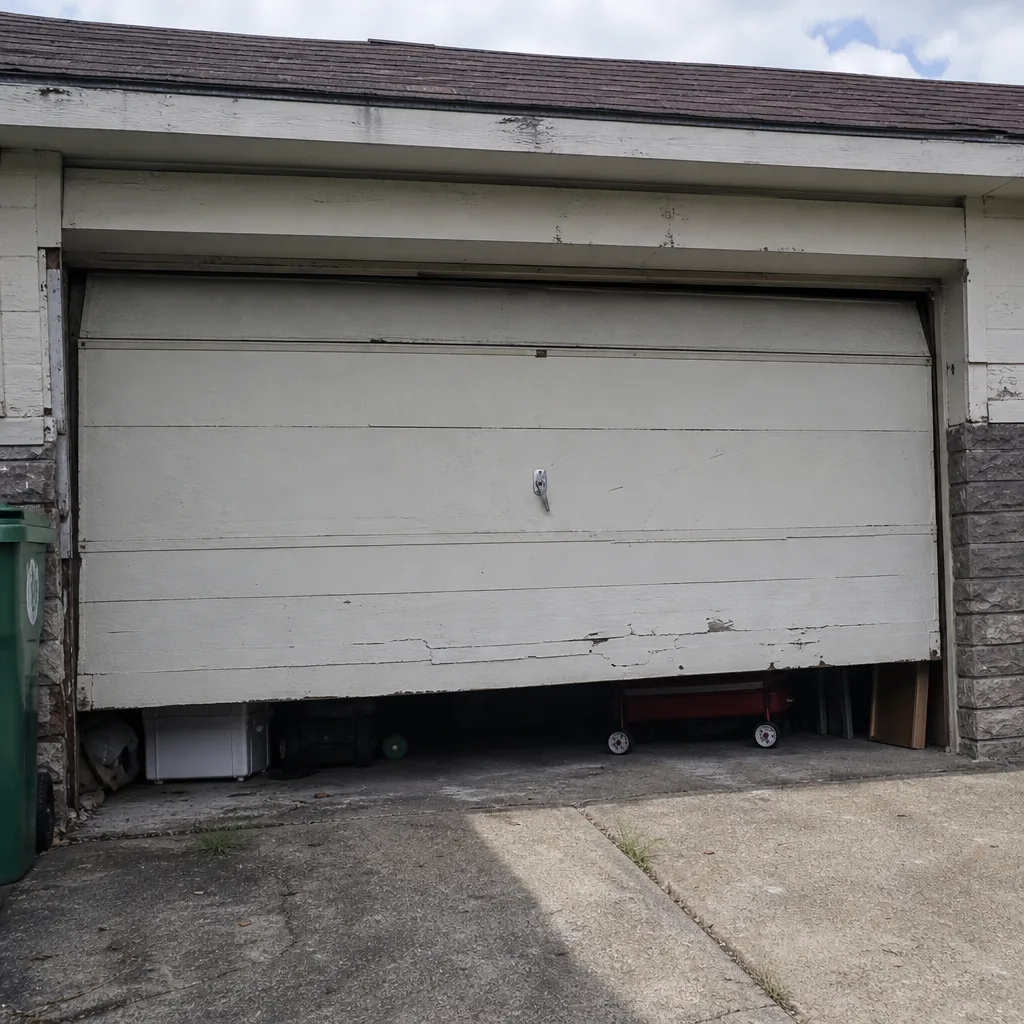 Before
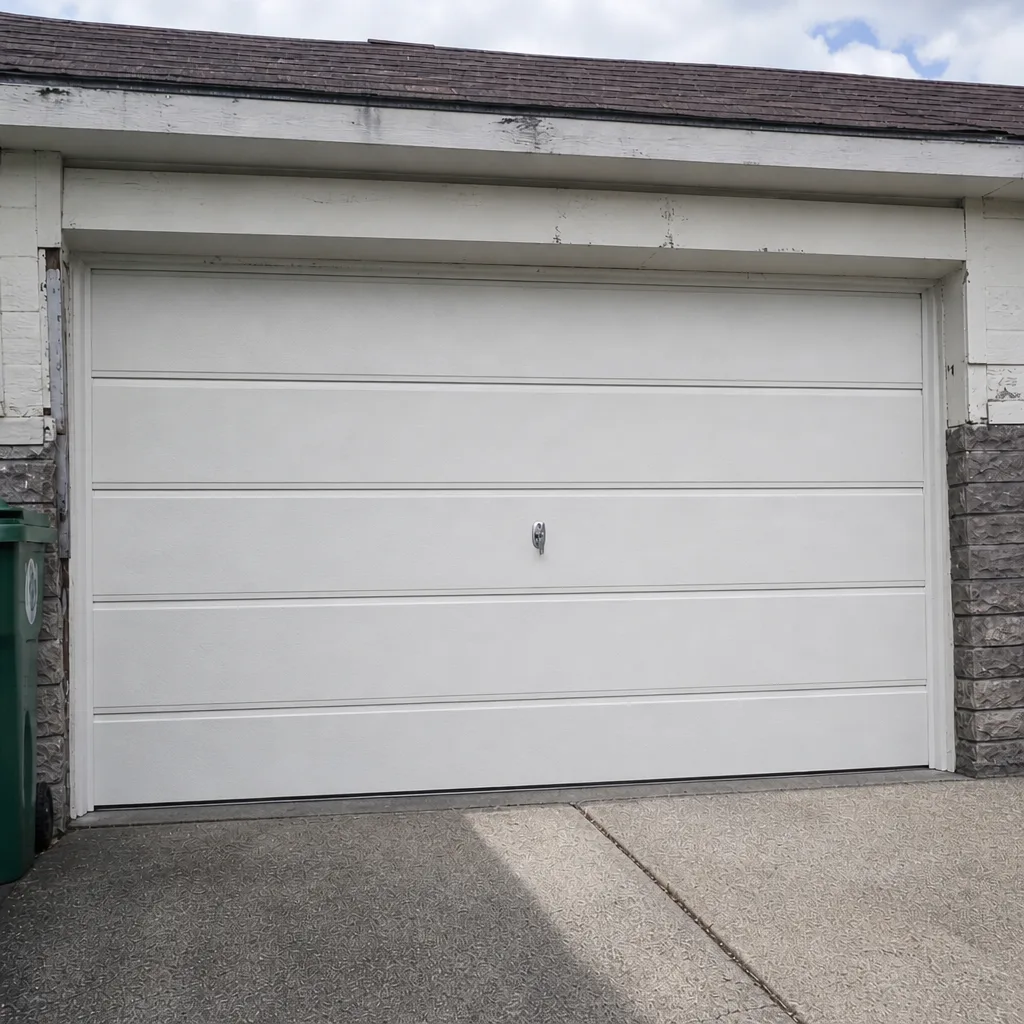 After
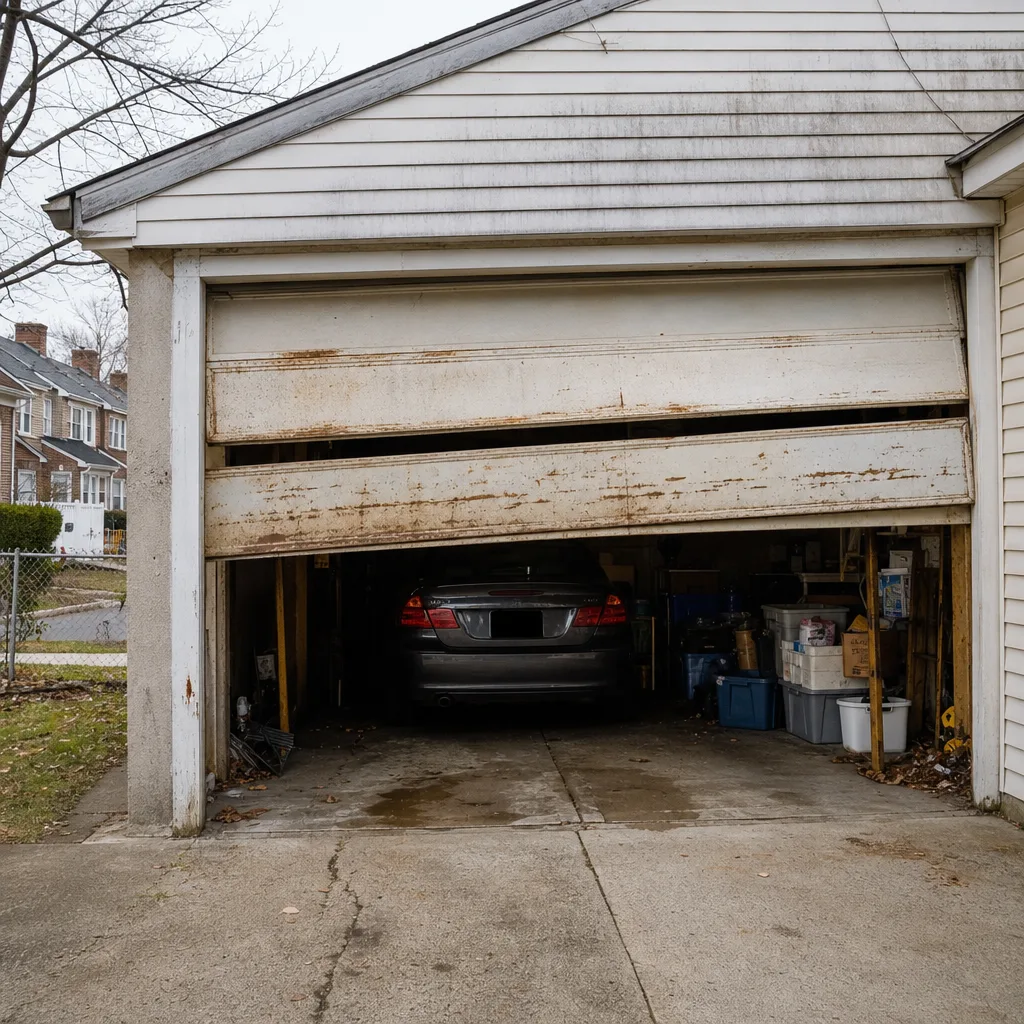 Before
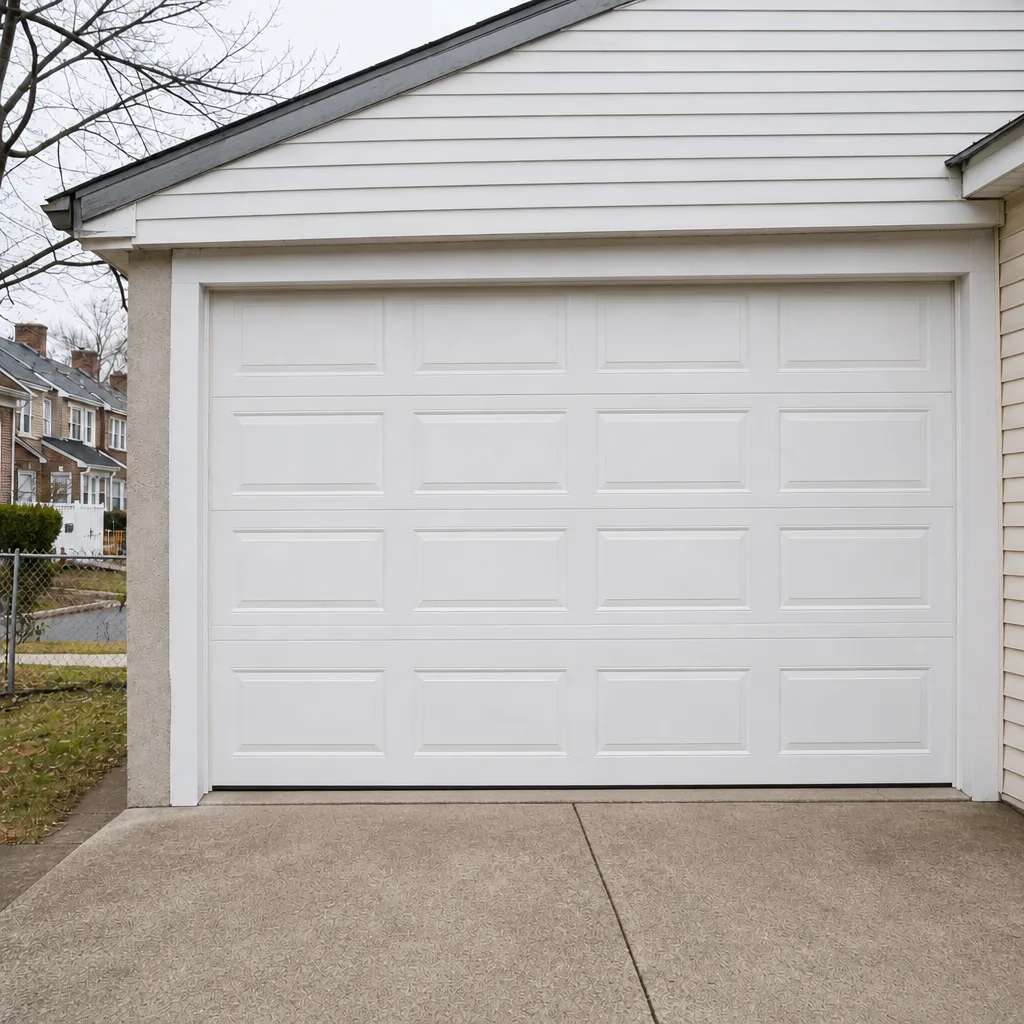 After
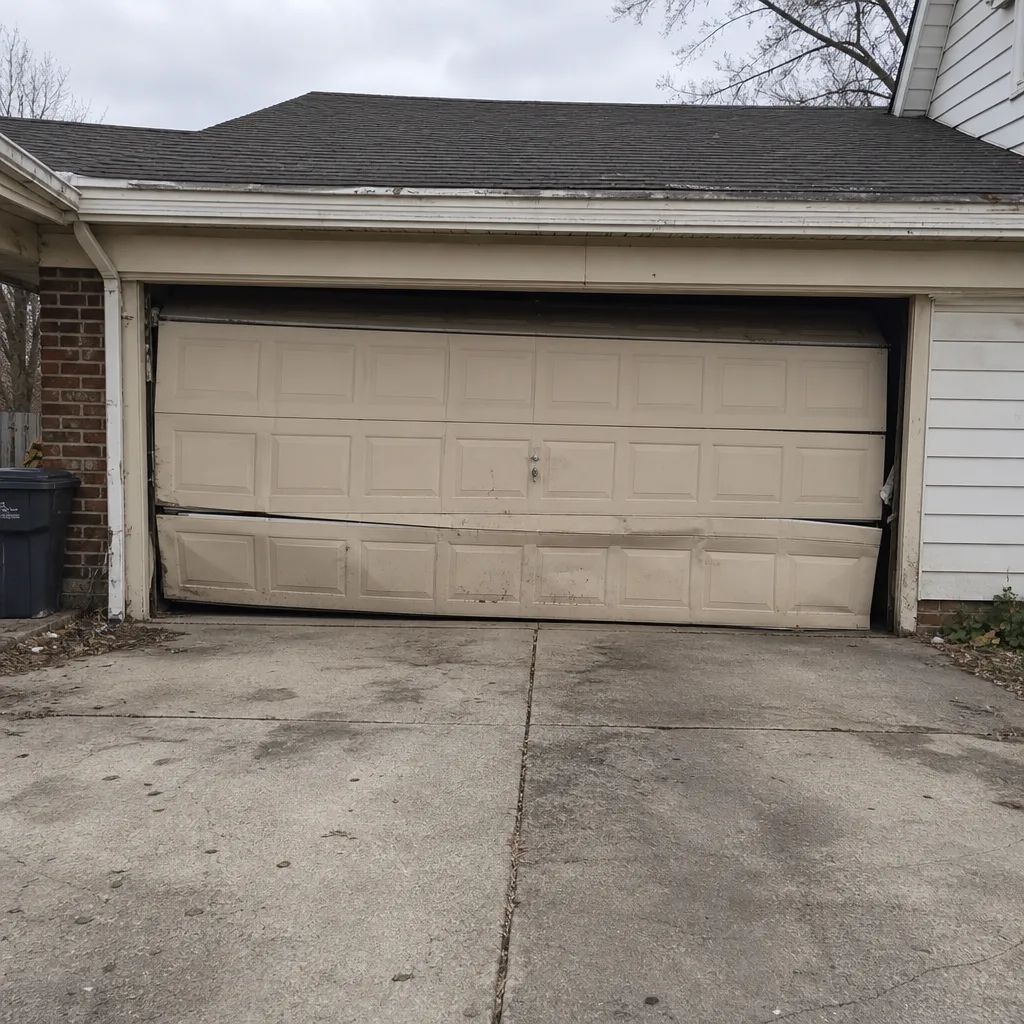 Before
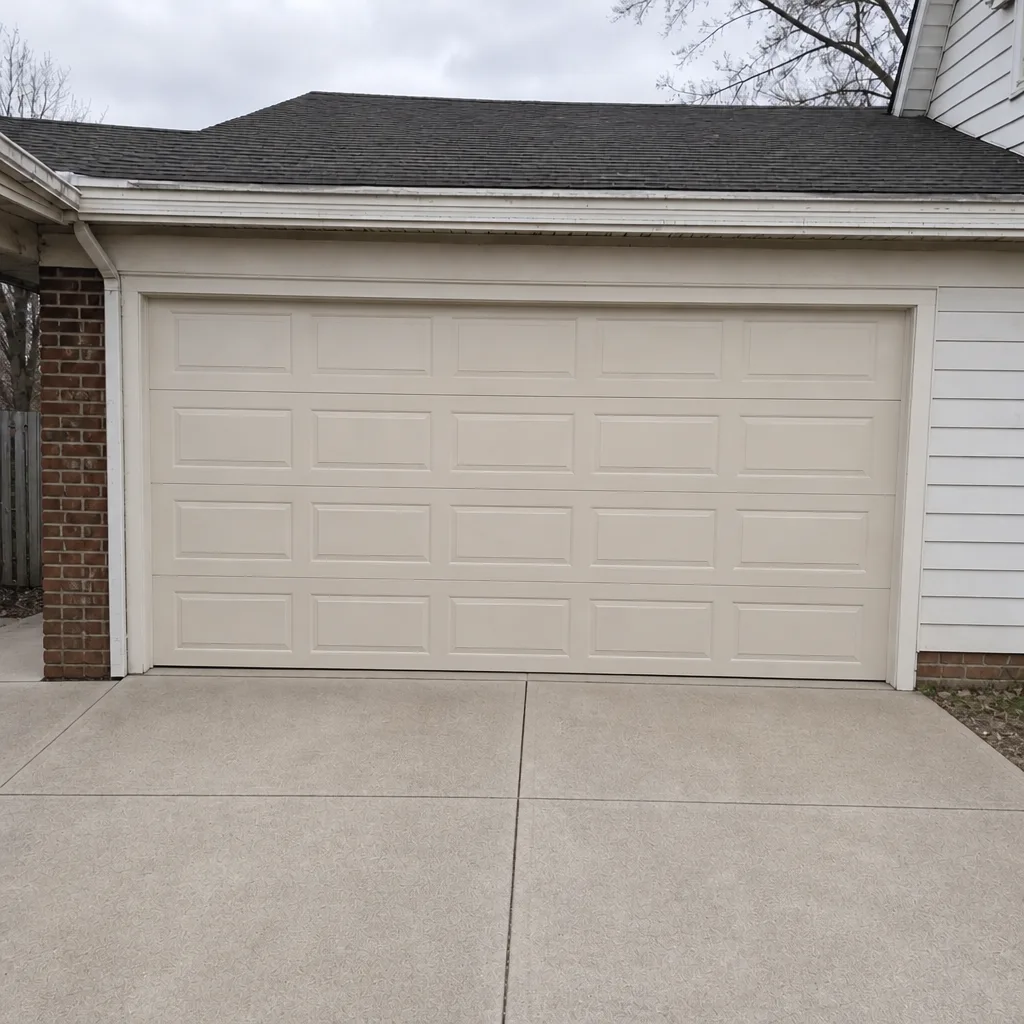 After
When to Call a Professional
Call a professional for anything involving the springs, cables, or the opener’s high-tension hardware. A spring replacement is not a DIY job, and neither is a cable. A door that’s off its track, a snapped spring, a dead opener, or a door that won’t stay balanced all warrant a technician. A single visit can diagnose the whole door and quote the fix, and you’ll have a written price before any work starts. Garage Door Repair Torresdale offers free estimates in Torresdale: call (855) 691-5232. A properly maintained Torresdale door should be balanced, quiet, and safe. A second opinion on a worn door is never wasted. Our technicians have up to 9 years of experience, and we work on LiftMaster, Chamberlain, Genie, Clopay, Amarr, Wayne Dalton, Craftsman, and Raynor systems, so we already know what to look for. From a snapped spring to a full new door, one call covers it, and a repair in the Torresdale area starts with an honest diagnosis.
Frequently Asked Questions
You should lubricate the moving metal parts of a Torresdale garage door every four to six months, and check them monthly. Use a silicone-based spray on roller bearings, hinge pivots, and spring coils, and keep heavy grease away from nylon rollers and plastic carriage parts. If your door squeaks between lubrications, the noise is probably a worn roller or hinge rather than a need for more product.
Yes. Disconnect the opener with the red release handle, lift the door halfway by hand, and let go. A balanced door stays where you leave it; an out-of-balance door drifts down or feels heavy going up. Test at three positions: a few inches off the floor, halfway, and near the top. If it drifts at any position, stop using the door and call (855) 691-5232. Estimates are free.
A spring about to fail usually doesn’t announce itself, but you can spot the warning signs. Look for a visible gap in a torsion spring’s coil, a stretched section on an extension spring, or a door that keeps losing balance. A heavy door, a rhythmic thump, or a door that drifts down after a manual lift all suggest the springs are working unevenly. Stop using the door if you see a broken spring or a gap in a coil.
Before winter, re-test the balance and check the bottom seal and side weatherstripping for cracks before hard freezes. Confirm the opener’s force settings trip the auto-reverse properly, and check for cable slack at the drums. Cold metal contracts, and a door that was balanced in summer can drift in January. If the door already feels stiff, fix the stiffness before the season turns.
The written estimate sets the final price, and it’s quoted and agreed before any work starts. We check the door, springs, cables, rollers, and opener, then give you a clear number. There’s no service-call surprise on top of the quote. If the estimate doesn’t work for you, you’re free to walk away.
A broken door is an emergency if it’s stuck open, trapped your car, or off its track. We answer 24/7, with fast dispatch from 7am to 7pm, Sunday through Friday, and same-day service when available. A call outside dispatch hours is booked into the next opening. Call (855) 691-5232 and describe what the door is doing. Estimates are free.
The Bottom Line
Your garage door fails because one part quietly worked harder than it should have. A monthly five-minute check, a real balance test, and the right lubrication on the right parts will spot that imbalance before it becomes a snapped spring. Check springs and safety hardware often. Check rollers, cables, and seals quarterly. Adjust for the seasonal swing in Torresdale going into winter and going into summer. Take the red flags seriously and get a technician out for anything involving springs, cables, or a door that’s off its track. If you want a proper inspection without a sales pitch, we repair the door before recommending a replacement. Call (855) 691-5232 for a free estimate, and keep your door balanced instead of waiting for it to break.
Written by the team at Garage Door Repair Torresdale.